Monday, 27 March 2017

Lungs play a key role in blood production.

Lungs play a key role in blood production


An Unexpected New Lung Function Has Been Found - They Make Blood
Bec Crew ScienceAlert | http://www.sciencealert.com/an-unexpected-new-lung-function-has-been-discovered-and-it-could-disrupt-decades-of-scientific-thought

Researchers have discovered that the lungs play a far more complex role in mammalian bodies than we thought, with new evidence revealing that they don't just facilitate respiration - they also play a key role in blood production.

In experiments involving mice, the team found that they produce more than 10 million platelets (tiny blood cells) per hour, equating to the majority of platelets in the animals' circulation. This goes against the decades-long assumption that bone marrow produces all of our blood components.

Researchers from the University of California, San Francisco also discovered a previously unknown pool of blood stem cells that makes this happen inside the lung tissue - cells that were incorrectly assumed to
mainly reside in bone marrow.

"This finding definitely suggests a more sophisticated view of the lungs - that they're not just for respiration, but also a key partner in formation of crucial aspects of the blood,"
says one of the researchers, Mark R. Looney.

"What we've observed here in mice strongly suggests the lung may play a key role in blood formation in humans as well."

While the lungs have been known to produce a limited amount of platelets - platelet-forming cells called
megakaryocytes have been identified in the lungs before - scientists have long assumed that most of the cells responsible for blood production are kept inside the bone marrow.

Here, a
process called haematopoiesis was thought to churn out oxygen-laden red blood cells, infection-fighting white blood cells, and platelets - blood components required for the clotting that halts bleeding.

But scientists have now watched megakaryocytes functioning from within the lung tissue to produce not a few, but most of the body's platelets.

So how did we miss such a crucial biological process this whole time?

The discovery was made possible by a new type of technology based on two-photon intravital imaging - a similar technique to one used by
a separate team this week to discover a previously unidentified function of the brain's cerebellum.

The process involves inserting a substance called
green fluorescent protein (GFP) into the mouse genome - a protein that's naturally produced by bioluminescent animals such as jellyfish, and is harmless to living cells.

The mouse platelets started to emit bright green fluorescence as they circulated around the body in real time, allowing the team to trace their paths like never before.

They noticed a surprisingly large population of platelet-producing megakaryocytes inside the lung tissue, which initially didn't make much sense, seeing as they're usually associated with
bone marrow.

"When we discovered this massive population of megakaryocytes that appeared to be living in the lung, we realised we had to follow this up,"
says one of the team, Emma Lefrançais.

They found that this huge supply of megakaryocytes is actually producing more than 10 million platelets per hour in the lungs of mice, which means at least half of the body's total platelet production is occurring in the lungs.

Here's what it looks like:
Further experiments also revealed vast amounts of previously hidden blood stem cells and
megakaryocyte progenitor cells (cells that give rise to megakaryocyte and red blood cells) sitting just outside the lung tissue - about 1 million per mouse lung.

When the researchers traced the entire 'life cycle' of the megakaryocytes, they found that they likely originate in the bone marrow, then make their way to the lungs, where they start platelet production.

"It's fascinating that megakaryocytes travel all the way from the bone marrow to the lungs to produce platelets,"
says one of the team, Guadalupe Ortiz-Muñoz.

"It's possible that the lung is an ideal bioreactor for platelet production because of the mechanical force of the blood, or perhaps because of some molecular signalling we don't yet know about."

The researchers wanted to investigate if their discovery could have an effect on how we treat disorders such as lung inflammation, bleeding, and transplantation in the future, by transplanting lungs with fluorescent megakaryocyte progenitor cells into mice with low platelet counts.

The transplants produced a massive burst of platelets that quickly restored the depleted platelet counts to normal levels, and the effect lasted for several months.

Another experiment tested what would happen if the bone marrow wasn't playing a role in blood production.

The team implanted lungs with fluorescent megakaryocyte progenitor cells into mice that had been engineered to have no blood stem cells in their bone marrow.
As Michael Irving reports for New Atlas, they watched as the fluorescent cells from the transplanted lungs made their way to the bone marrow, where they not only helped to produce platelets, but also other key blood components, such as neutrophils, B cells and T cells.

The findings will need to be replicated in humans before we can know for sure that the same process is occurring within our own bodies, but the study makes a strong case for this hidden function in what could be one of our most underrated organs.

It will likely also prompt scientists to investigate further how the bone marrow and lungs work together to produce our blood supply.

"It has been known for decades that the lung can be a site of platelet production, but this study amplifies this idea by demonstrating that the [mouse] lung is a major participant in the process," Traci Mondoro from the US National Heart, Lung, and Blood Institute, who was not involved in the study,
said in a press statement.

"Looney and his team have disrupted some traditional ideas about the pulmonary role in platelet-related hematopoiesis, paving the way for further scientific exploration of this integrated biology."

Sunday, 5 March 2017

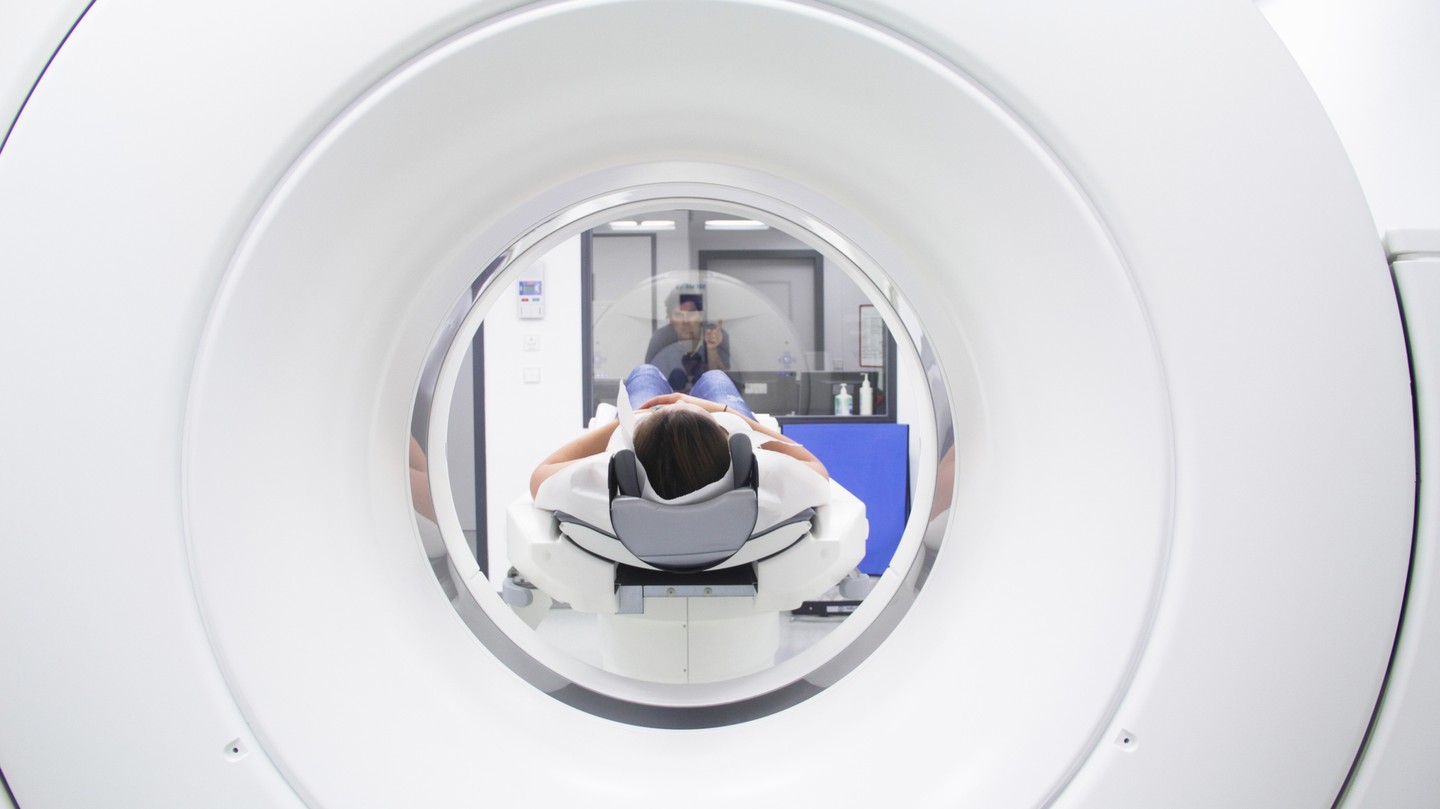
10 MRI Scans, 10 Different Diagnoses on same patient

10 MRI Scans, 10 Different Diagnoses on same patient

Spine J. 2016 Nov 17. pii: S1529-9430(16)31093-2. doi: 10.1016/j.spinee.2016.11.009. [Epub ahead of print]
https://www.ncbi.nlm.nih.gov/pubmed/27867079
Variability in diagnostic error rates of 10 MRI centers performing lumbar spine MRI examinations on the same patient within a 3-week period.Herzog R1, Elgort DR2, Flanders AE3, Moley PJ4.


BACKGROUND CONTEXT:

In today's health-care climate, magnetic resonance imaging (MRI) is often perceived as a commodity-a service where there are no meaningful differences in quality and thus an area in which patients can be advised to select a provider based on price and convenience alone. If this prevailing view is correct, then a patient should expect to receive the same radiological diagnosis regardless of which imaging center he or she visits, or which radiologist reviews the examination. Based on their extensive clinical experience, the authors believe that this assumption is not correct and that it can negatively impact patient care, outcomes, and costs.

PURPOSE:
This study is designed to test the authors' hypothesis that radiologists' reports from multiple imaging centers performing a lumbar MRI examination on the same patient over a short period of time will have (1) marked variability in interpretive findings and (2) a broad range of interpretive errors.

STUDY DESIGN:
This is a prospective observational study comparing the interpretive findings reported for one patient scanned at 10 different MRI centers over a period of 3 weeks to each other and to reference MRI examinations performed immediately preceding and following the 10 MRI examinations.

PATIENT SAMPLE:
The sample is a 63-year-old woman with a history of low back pain and right L5 radicular symptoms.
OUTCOME MEASURES:

Variability was quantified using percent agreement rates and Fleiss kappa statistic. Interpretive errors were quantified using true-positive counts, false-positive counts, false-negative counts, true-positive rate (sensitivity), and false-negative rate (miss rate).

METHODS:
Interpretive findings from 10 study MRI examinations were tabulated and compared for variability and errors. Two of the authors, both subspecialist spine radiologists from different institutions, independently reviewed the reference examinations and then came to a final diagnosis by consensus. Errors of interpretation in the study examinations were considered present if a finding present or not present in the study examination's report was not present in the reference examinations.

RESULTS:
Across all 10 study examinations, there were 49 distinct findings reported related to the presence of a distinct pathology at a specific motion segment. Zero interpretive findings were reported in all 10 study examinations and only one finding was reported in nine out of 10 study examinations.

Of the interpretive findings, 32.7% appeared only once across all 10 of the study examinations' reports.

A global Fleiss kappa statistic, computed across all reported findings, was 0.20±0.06, indicating poor overall agreement on interpretive findings. The average interpretive error count in the study examinations was 12.5±3.2 (both false-positives and false-negatives). The average false-negative count per examination was 10.9±2.9 out of 25 and the average false-positive count was 1.6±0.9, which correspond to an average true-positive rate (sensitivity) of 56.4%±11.7 and miss rate of 43.6%±11.7.


CONCLUSIONS:
This study found marked variability in the reported interpretive findings and a high prevalence of interpretive errors in radiologists' reports of an MRI examination of the lumbar spine performed on the same patient at 10 different MRI centers over a short time period. As a result, the authors conclude that where a patient obtains his or her MRI examination and which radiologist interprets the examination may have a direct impact on radiological diagnosis, subsequent choice of treatment, and clinical outcome.

Copyright © 2016 Elsevier Inc. All rights reserved.

More time walking means less time in hospital

New study shows more time walking means less time in hospital

https://theconversation.com/new-study-shows-more-time-walking-means-less-time-in-hospital-71554


In my practice as a GP, I have been impressed by a few energetic and active 80 year olds who remain in good health while many their age have succumbed to various chronic diseases. So in 2005, when the University of Newcastle established a
large community based health study of people aged 55 to 80, I made sure we recorded the participants’ physical activity in detail.

A decade later, we can report the influence of physical activity on the need for hospital care as published in the
Medical Journal of Australia today.

We used pedometers to record daily step counts, giving a much more precise measure of activity than the usual self-report questionnaires. Median daily step counts ranged from 8,600 in the youngest to 3,800 in those over 80 years, and weekend days had on average 620 fewer steps than weekdays.

The inactive people (taking 4,500 steps per day) averaged 0.97 days of hospital care per year. The more active people (taking 8,800 steps per day) needed only 0.68 days of care per year. In our analysis we adjusted for the effects of age, sex, the number of illnesses people had when they started, smoking, alcohol intake and education.

We wondered if the causation might be running the opposite direction. That is, that sick people walk less rather than activity preventing illness. To test this idea, we repeated the analysis ignoring all hospital admissions in the first two years of follow up to remove the immediate effects of serious illness. The difference is shown in the graph below.

The association extends right across the range of activity levels, showing any activity is good for health, and the more the better. The participants in our study wore the pedometers from morning until night, so a lot of what we recorded as steps was general activity around the house or the workplace, not necessarily continuous walking.
Recent research shows any that activity is better than sitting down, so even light activity is protective of health. Pedometers don’t capture swimming or cycling accurately, but these things make up a small part of daily activity.

Looking at why these patients were in hospital, more active people had fewer admissions for cancer and diabetes, but surprisingly, there was no difference for heart disease. We suspect that might be due to a gap in the data for heart admissions to private hospitals for a few of the years.
What if everyone got walking?

The difference of 0.29 hospital days per year between the inactive and active people is about a 30% reduction. Does this mean if we could get everyone in the population taking 8,800 steps per day we could shut a third of all hospital beds, and send a third of all doctors and nurses off to practice their golf swing? Unfortunately not.

It turns out our study sample is a rather healthy lot, requiring less hospital care than the average for their age. Compared to our average value of less than one day per year of hospital care, figures from the
Australian Institute of Health and Welfare for 2014-15 show Australians between 55 and 85 years required 14.2 million days of hospital care, or 2.65 bed days per person.
Getting in 40 minutes of walking a day would reap big rewards in overall health.

Whether increasing activity would be of more or less benefit across the whole of the Australian population is unclear. It may be that the general population would have even more to gain from physical activity than our study participants, or it may be that they have serious chronic diseases that make increased activity impossible.

Let’s imagine for a moment that something changes the walking habits of all Australians, so everyone is walking at least 8,800 steps per day – maybe a combination of a Fitbit craze and an oil shortage that sends petrol to A$10 a litre. What effect would this have on health services?

Considering only the people aged over 55, at a minimum it would reduce the need for hospitalisation by 975,000 bed days per year, for a saving of $1.7 billion dollars. Given there are health benefits at other ages, and the less healthy Australians not represented in our study could benefit more, the actual benefit is likely to be even greater.

An extra 4300 steps per day is not much.
It’s just 40 minutes walking, which might include going to the shops, picking up kids, or taking the stairs at work. It doesn’t have to be “exercise”, although higher intensity activity for those who enjoy it has greater health benefits.
With governments searching for ways to reduce spending, and
16% of the federal budget being spent on health, tackling physical inactivity of individual patients, as well as ensuring our urban centres are walking- and cycling-friendly would make a major difference.

Sunday, 18 September 2016

Ayurvedic treatment for Chikungunya – arthritis

Ayurvedic treatment for Chikungunya – arthritishttp://easyayurveda.com/2009/12/09/ayurvedic-treatment-for-chikungunya-arthritis/
This article is from the above blog. Its an excellent source for anything Ayurvedic. Its also a tremendous effort to explain the various benefits of our Ayurvedic system of medicine and lifestyle. It will be an excellent site for anyone to visit to know more about Ayurvedic systems, treatments and also for good health guidance.

Chikungunya outbreak has caused a lot of panic among people. It is a viral fever that spreads by the bite of infected Aedes mosquitoes. Most of the symptoms of chikungunya and dengue have resemblance. Though there is slight difference between chikungunya ; dengue. Severe, sometimes persistent, joint pain (arthritis), as well as fever and rash are the main characteristic features of Chikungunya. But in dengue, at later stages, the platelet count depletion sets in.


Chikungunya, in the acute phase, symptoms such as headache, fatigue, nausea, vomiting and muscle pain are also known to occur. Several varieties of viral infections are spread through droplets discharged into the atmosphere by the cough or sneezing of infected patients. It is seldom life-threatening.


However, the most painful aspect of chikungunya is the extended period of pain and swelling in the joints following the recovery from fever. This is due to the response of ones own immune system to parts of the virus which resemble the joint. This phenomenon is called as auto immune response. While the symptoms are less severe in younger patients, the older people and those with pre-existing arthritic tendency suffer badly.

Chikungunya and other similar viral infections have become very prevalent these days and are a grave cause for concern, affecting life of hundreds and thousands. The unbearable joint pain leaves many prostrated and unable to carry on with normal day t o day activities.

Arthritis associated with Chikungunya
Post chikungunya arthritis affecting multiple joints can leave a person debilitated for a very long period of time.


The Allopathic treatment options are largely symptomatic for mitigating pain and fever using anti-inflammatory drugs along with rest. While recovery from chikungunya is the expected outcome, convalescence can be prolonged (up to a year or more), and persistent joint pain may require analgesic (pain medication) and long-term anti-inflammatory therapy.

Ayurveda, hass a great deal to offer by way of relief from Chikungunya & other forms of post-viral arthritis. The principle of Ayurvedic treatment in such acquired infections is of immuno-modulation. The medications and therapies help to modulate the immune response of the body against viral antigens which inadvertently affect the joints. Hence, in addition to the symptomatic relief which is very quickly felt, the immuno-modulation helps to reverse the inflammatory process as well as prevent tissue damage. This results in a faster recovery and a shortened convalescent period.

Ayurvedic treatment for Chikungunya – Line of treatment:
1. Preventive medicines to improve immunity. – These medicines which can be taken to prevent the chikungunya treatment or at least reduce its severity.
2. Medicines to reduce fever and bring down muscle pain, headache, nausea, fatigue and rash – that is, small red spots all over the body.
3. Medicines to relieve muscle and joint pains.
4. Rejuvenation medicines that are administered once after the disease is relieved. This is to restore body strength and immunity. These medicines give energy to the patient to get on with day to day activities after recovery.

Warning: Before trying any of these medicines, consult your doctor directly. I do not guarantee that these will work. These can be taken along with your allopathic treatment.
Please consult your Ayurveda doctor before trying any of below medicine
All the medicines that I have mentioned below are easily available in any local Ayurveda store or at shimply.com, eayur.com etc online Ayurveda shopping websites.

A. Preventive medicines and remedies against Chikungunya:
These medicines do not offer any guarantee that you will not get chikungunya. But your body will be better prepared to fight this disease.
1. Nimbadi Kashayam tablet (AVN company)-
Dose for adults – 2 tablets 2 times a day after food.
Dose for children above 7 years of age – 1 tablet 2 times a day after food.

2. Trishun tablet (Zandu company) –
Dose for adults – 2 tablets 2 times a day after food.
Dose for children above 7 years of age – 1 tablet 2 times a day after food.

3. Panchanimbadi Vati tablet (AVN company)
Dose for adults – 2 tablets 2 times a day after food.
Dose for children above 7 years of age – 1 tablet 2 times a day after food.

Trishun with Nimbadi Kashayam tablet
OR
Trishun with Panchanimbadi vati tablet – is advised as a preventive medicine combination.
The above 2 can be continued for up to 1 month time.

B. Ayurvedic medicines to reduce Chikungunya fever:
The below medicines are targeted to reduce fever.
Amritarishta (liquid) – 15 ml, mixed with 15 ml of water, 2 times a day. This is not recommended in diabetic people.
Trishun tablet
Dose for adults – 2 tablets 2 times a day after food.
Dose for children above 7 years of age – 1 tablet 2 times a day after food.
Sanjivani Vati tablet
Dose for adults – 2 tablets 2 times a day after food.
Dose for children above 7 years of age – 1 tablet 2 times a day after food.
Amrutottaram kashayam tablet
Dose for adults – 2 tablets 2 times a day after food.
Dose for children above 7 years of age – 1 tablet 2 times a day after food.

Combinations –
Sanjivani with Trishun + Amritaristhta
Amrutottaram with Sanjivani and Trishun
They can be continued up to 4 – 6 weeks of time, based on your doctor’s advice.

C. Ayurvedic medicines and remedies to relieve pain and inflammation
R compound tablet – 2 tablets 2 – 3 times a day after food.
Shallaki capsule – 1 – 2 capsules – 1 -2 times a day after food (Excess of this may cause stomach irritation in some people)
Sallaki MR tablet – 1 – 2 tablets 1- 2 times a day after food.
Yogaraja Guggulu
Vatari Guggulu etc.

Any one or two among above can be continued for up to 2 – 4 months time, with gradual decrease in dosage, as per your Ayurvedic doctor’s advice.

D. Ayurvedic Medicines to restore energy after the fever is relieved:
Ashwagandharishta, Amrutarishta, Balarishta – any one among the above – 15 ml, mixed with 15 ml of water, 2 times a day after food. (Cannot be administered to diabetic people)
Swamala compound – 1 teaspoon 2 times a day (Cannot be administered to diabetic people)
Ashwagandha capsule, Shilajit capsule, Shatavari capsule etc.

Oils and liniments to apply externally over joints to reduce pain:
Please note that while you have fever, you cannot apply oils to the joints. But liniments can be applied to relieve pain. Liniments are oil + volatile prinicples. After application, they evaporate quickly. The below mentioned liniments are good to apply 4 – 5 times a day for 4 – 6 weeks time.
Some good liniments are –
Arnopen liniment
Arthorub liniment
Myostaal liniment
Rhukot liniment
Rumalaya liniment etc.

Oils for application
These oils can be applied after the fever is completely relieved. These oils improve joint strength and relieve pain.
Mahanarayana taila
Kottamchukkadi taila
Mahamasha taila
Balaswagandhadi taila
Vishagarbha taila

Rejuvenative Ayurvedic medicines for Chikungunya joint care:
Especially in old people, chikungunya may cause permanent joint pain and difficulty in walking. For them, below medicines help to strengthen joints. These can be started during the fever and can be continued for up to 3 – 4 months of time, with gradual decrease in dose.
1. Ksheerabala 101 drops – 10 drops, 2 times a day after food.
2. Ksheerabala capsule -1 capsule 2 – 3 times a day after food.
3. Gandha tailam drops – 10 drops 2 times a day after food.
4. Lakshadi guggulu tablet – 2 tablets 2 -3 times a day after food.
5. Gandha tailam capsule -1 capsule 2 times a day after food.

Beware of false promises:
As you may have noticed any tablet or capsule that I have enlisted above does not cost you more than 4 – 6 rupees per piece.
Some fake Ayurvedic doctors may push you to buy costly Swarna Bhasma, Heera Bhasma for thousands of rupees to relieve this. They may or may not work, but they are not necessary.


Home remedies for chikungunya:
  • A decoction or herbal tea prepared with neem powder + ginger – once or twice a day.
  • Herbal tea prepared with neem powder + Ashwagandha powder + ginger
  • Tulsi herbal tea
Consult your doctor before trying any home remedies or medicines.
http://easyayurveda.com/2009/12/09/ayurvedic-treatment-for-chikungunya-arthritis/

Tuesday, 13 September 2016

How To Improve Blood Circulation?

How To Improve Blood Circulation? 
25 Ayurveda And Yoga Tips
Article by: Dr. Mahesh Annapure M.Sc. D.N. M.D.(A.M.) http://easyayurveda.com/2016/08/01/how-to-improve-blood-circulation/

Transportation of blood from heart to the different parts of the body, then pulling it back to heart to send it to lungs to get fresh oxygen and so on, is called as blood circulation. Human body contains 1,12,000 km long blood vessels. The functions of the blood vessels are to provide the nutrients and fresh oxygen to all the cells of body and to remove unpurified blood and the wastes from body metabolism .


Blood facts:
Human body is having at about 10 Lakh Crore cells. The needs of these cells are supported by the blood. The main part of the blood is a Red Blood Corpuscles (RBCs). In every second 12 Lakh RBCs are degenerated. The life span of RBCs is of 120 days.

The formation of new RBCs occurs in the bone marrow. In the whole life of human, the bone marrow produces 100 kg of RBCs. Within the life span of 120 days, these RBCs revolves around the body cells near about 75 thousands times. This happens due to the help of the motor pump of body, we know it as a heart. Heart performs the activity to supply blood to the body cells and collect it back.


From each contraction of the heart 75 ml of blood is forced towards the body. Due to the hearts contraction and relaxation, heart beats are formed. 
We call it as a Nadi (Pulse). This practice is called as a Nadi parikshana. 

Many defects and disorders of the body are occurred by the obstructions in the blood vessels, major of it is a Blood Pressure or Heart Attack. In Charaka Sutrasthana, it is denoted as a Raktavaha srotas and explained that the roots of the Raktavaha Srotas are based in the 12 major arteries and veins near the heart.


Symptoms of obstruction in blood circulation
– Shortness of breath
– Irregular heartbeats
– Itchy hands, legs and feet
– High cholesterol and blood pressure
– Swelling of hands and feet
– Loss of appetite and unexplained weight loss
– Change in skin temperature like cold hands, feet and fingers
– Numbness or loss of sensation in feet, toes and hands
– Feeling lethargic even after doing small activities like climbing the stairs
– Lack of energy and stamina
– Hair fall and dandruff
– Dry skin, uneven skin tone and blemishes on the skin
– Memory loss or sluggish memory
– Feeling sleepy all the time
– Cramps and headaches


Tips to maintain proper blood circulation:

Take Hydrotherapy –
It includes warm water bath, tub bath, contrast bath (switching between the hot and cold water), steam bath, etc. The therapy of water vapours, targeted towards relaxation, causes vaso-dilatation (widening of the blood vessels) of peripheral blood vessels (arteries and veins in the feet, legs, lower abdomen, arms, neck or head) which in turn, lead to faster and smoother blood circulation.

Quit Smoking-
Smoking is primarily responsible for peripheral vascular diseases (diseases of the blood vessels located outside the heart and brain). It brings about degenerative changes within the blood vessels leading to hardening of arteries and vericose veins, heart attacks, which eventually leads to improper blood circulation.

Regular exercise-

Exercise is one of the most effective ways to enhance blood circulation. Thirty minutes of regular exercise daily can substantially reduces your risk of various cardiovascular problems. There is an increase in the pumping action of the heart along with an increase in the number of vessels and capillaries. It can take the form of any physical activity like walking, jogging, running, stair climbing, cycling, swimming etc. These exercises have a great potential to improve the blood circulation rate and maintain pulse rate.

Take healthy, fats free diet-
To live healthy, you must eat healthy by taking healthy diet. Avoid consuming excess of anything especially dairy products, hydrogenated oils etc.
Consume healthy fats such as ghee, omega-3 fatty acids and monounsaturated fatty acids (MUFA) that are available in fishes.

Eat plenty of green leafy vegetables, fruits and whole grains. Reduce the consumption of sugar and excess salts and add up more of dietary fibers. Improper diet can adversely affect the blood cholesterol levels, which in turn, can result in atherosclerotic changes (plaque build-up in the artery walls which does not allow blood to flow freely). These conditions affect the body’s normal process of blood circulation.

Tomato:
Tomato is a well-known food for blood circulation improvement. It contains lycopene, a compound that prevents plaque buildup, a hindrance to healthy blood flow.

Ginger-

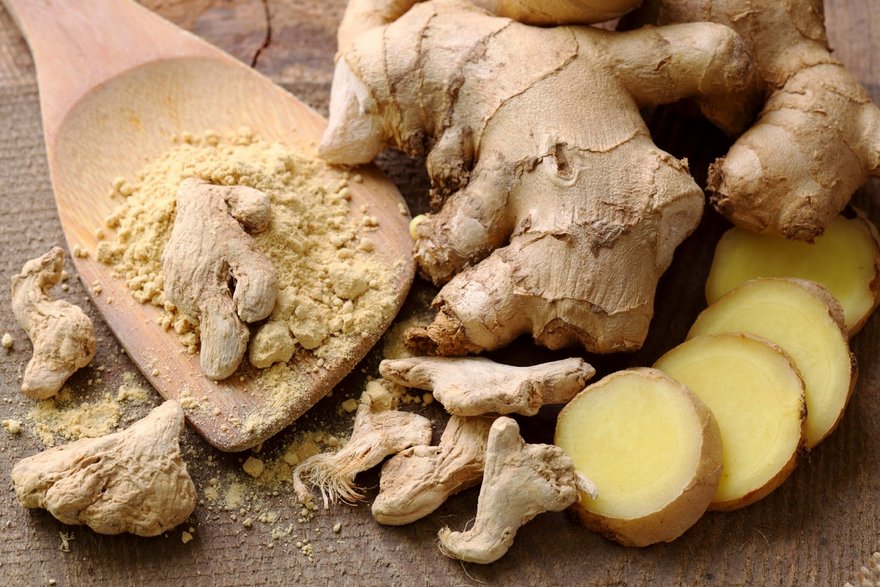
Ginger contains gingeroles and zingerone, the active components that provide a whole range of benefits to the body. It prevents the absorption of cholesterol in the blood and liver. Regular consumption also prevents the clotting of blood in the body. In fact, it is much more effective than aspirin in preventing blood clot formation. Read more about ginger usage

Green Tea-
Green tea is rich in antioxidant called epigallocatechin, which improves the health of the cells that forms in the innermost lining of the blood vessels. This helps in the constriction and dilation of the vessels, enhancing the flow of blood. It reduces the formation of bad cholesterol and prevents the rise in blood pressure. Regular consumption also cuts down the risk of heart diseases.

Nuts-
Nuts like almonds and cashews provide high levels of vitamin B3, which boost the blood flow. It dilates the blood vessels, improving the circulation of blood. It also helps to lower low-density lipoprotein in the blood.

Garlic-

Garlic relaxes the blood vessels and interacts with the red blood cells, increasing the production of hydrogen sulfide. Increased production of hydrogen sulfide improves blood circulation. Consuming raw garlic reduces the accumulation of low-density lipo-protein in the blood. It also raises good cholesterol in the blood, keeping the blood pressure within normal limits. It also prevents blood platelet aggregation.

Guggulu or Guggul-
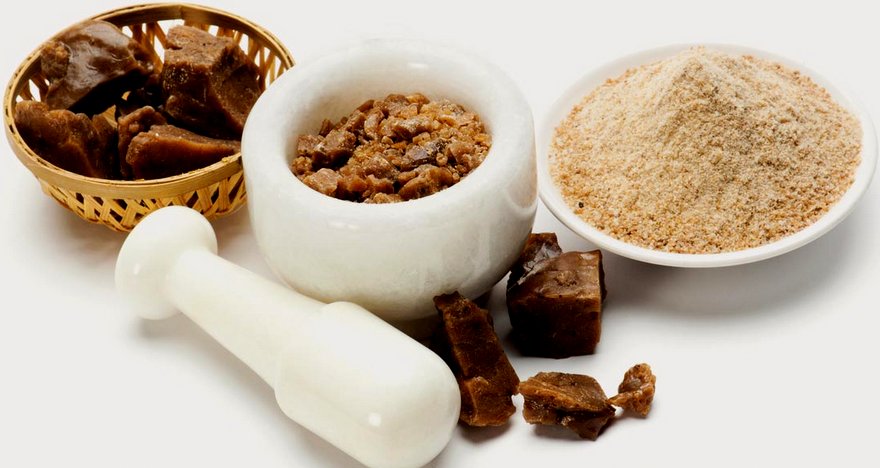
Guggul is a plant gum, contains kenotic steroid compounds called Guggulsterones, which reduces the plaque that builds the inner walls of the arteries, causing poor blood flow. It reduces the possibility of platelet aggregation, preventing blood clot formation. Read more about guggulu

Mehendi (Rosemary)-
Rosemary is one of the great herbal remedies for blood circulation improvement in the body. Fresh rosemary works best, but you can use the dried ones, its extract is taken in small quantity.

Nagfani/ Bansanjali (Hawthorne)-
Hawthorne has been used since centuries to treat heart and blood circulation problems. The berries and leaves of Hawthorne plant contain quercetin, a substance that minimizes histamine release. It is also useful for treating blood pressure problems.

Lifestyle changes-
– Reduce your coffee and tea intake or cutting down on them may be very beneficial for the body.
– Alcohol can have several detrimental effects on the body. It should be drunk only in moderation.
– Quit smoking in order to lead a healthy life. Smoking increases cholesterol levels, constricts the blood vessels and hardens the arteries.
– Avoid eating foods that contain high amounts of saturated fats. Saturated fats contribute to the buildup of cholesterol deposits or plaque in the arteries, leading to poor circulation.
– In addition, it is also required eliminate refined foods like alcohol, sugar and oily foods. Eliminating these items from your diet will help thin your blood, which will enable it to pass easily through the small blood vessels.

Drink plenty water- and juices
The blood plasma volume is the major determinant of blood pressure and the circulatory functions, plasma makes blood thinner. Dehydration can cause a reduction in the volume of blood through a reduction in the water content of the blood. This further lowers the blood circulation rate.
Make sure you drink plenty of water to keep your body hydrated and it also maintains body heat.

Adopt Active Lifestyle-
The sedentary and lazy lifestyle of today slows down the rate of circulation and causes various health related problems. Switch to a healthy and active lifestyle, get involved in some outdoor activities like social gathering, mass movements, enjoy festivals, carnivals, gardening, dog walking, house keeping or in some recreational sports. Get adequate amount of sleep and learn to cope up with day to day stress. Stress, which causes muscle-tensions, can lead to serious circulation problems and cardiovascular diseases.

Take Ayurvedic Herbal Remedies-
Include herbs like cayenne (a mild form of chili powder), ginger, garlic and in your diet. These herbs have favorable effects on blood circulation. Wild berries, tomatoes and rosemary are known for their effects in regulating and stabilizing blood pressure. Spicy foods also promote good circulation. When you eat spicy food, your body’s temperature is raised; therefore, it increases your blood flow and gets your heart pumping.

Massage-
Massage facilitates circulation because the pressure created by the massage technique actually moves blood through the congested areas. Massage is one of the ancient and the most effective remedies to improve blood circulation. Massage is not just a relaxation technique but something more than that useful for circulation, The release of this same pressure causes new blood to flow in. Body pain develops on account of reduced oxygen supply to the muscles due to muscle tension, The squeezing and pulling also flushes lactic acid from the muscles and improves the circulation of the lymph fluid which carries metabolic waste away from muscles and internal organs, resulting in lower blood pressure and improved body function. Massage warms the body reliving the blood vessels improving blood circulation.

Yoga for improving blood circulation-
Virabhadrasana – Warrior Pose –
Warrior pose stretches the muscles of arms, shoulders, neck, legs, and groin favoring muscle contraction and relaxation. Such tone up muscles encourages circulation. Furthermore, the joints of the legs, the waist and those of spinal cord and neck get curved exactly in opposite direction, regulating the blood circulation in those joints.

Salamba Sarvangasana – Shoulder Stand –
Shoulder stand is a part of Hatha yoga, where all pressure is exerted on the neck, shoulders and back of the head. As the body remains straight from feet up to shoulder with legs at the 90- degree angle from the floor, blood flows from lower part of the body towards heart for oxygenation. Peculiar shoulder stand position improves supply of fresh blood to the brain, eyes, ears, nose and throat.

Viparita Karani- Leg’s Up Pose –
Inverted body position with leg’s up is just opposite to our normal standing or sitting posture. Gravity effect pushes impure blood from legs and pelvis towards heart and improves circulation.


Uttanpadasana with Both Legs
Vertical position of both legs stretches thigh muscles facilitating blood circulation. In this pose, you raise both legs up without the support of a wall.

Shavasana- Corpse pose –
Shavasana is one of the best relaxing poses, where a body looks like a dead body. Whenever a body is in action, it requires more oxygen, which is gained through increasing circulation. Increased circulation favors increase in respiration.

Deep Breathing
– While breathing in, the diaphragm, a major respiratory muscle is pulled down. This minimizes the chest pressure and increases abdominal pressure. An increased abdominal pressure compresses the abdominal veins, a type of blood vessels and pushes blood upward in chest and heart.
– While breathing out, the diaphragm reverts back in its normal position, which minimizes abdominal pressure. Reduced abdominal pressure drains blood from both legs toward abdomen and improves venous return to the heart.


Kapalbhati -Skull Shining Breath –
Kapalbhati, a process of fast exhalation and jerky inhalation is another type of breathing useful in maintaining a flow of blood. Peculiar exhalation and inhalation contracts and relax the abdominal muscles and diaphragm.
Unlike in deep breathing, during exhalation, blood is pushed from an abdomen upward in the heart. While in inhalation, the blood from legs drain into abdomen and go to the heart in next round.
Dr. Mahesh Annapure M.Sc. D.N. M.D.(A.M.)

Thursday, 18 August 2016

7 Pressure points to relieve pains

7 Pressure points to relieve pains

1. He Gu.


Spot the highest point in your muscle at which your index finger and thumb are adjoined. Now, massage it for four to five seconds. This technique will help you out in relieving facial pain, toothaches, headaches, neck pain and stress.


2. Jian Jing


Massaging the point with your middle finger and thumb will make you feel better and assist you with bodily aches as well as stress.


3. Tai Chong.


Applying pressure at this point will help you to treat a number of issues such as anxiety, limb pain, high blood pressure, menstrual cramps, insomnia, stress and lower back pain.

4. Feng Chi.


Apply some pressure with your thumb in following the mastoid (ear) bone down where skull attaches to the neck muscle.


5. Zu San Li.


This point is a wonder spot helping you in relieving fatigue, stress, gastrointestinal discomfort, vomiting and nausea.


6. Shen Men (The Spirit Gate).


According to experts, this is one of the most stresss relieving points in human body.

7. Stomach.


Freeing the diaphragm and chest, this point improves the entire breathing process.

Thursday, 28 July 2016

Ancient Herbs and Spices for Pain relief

Ancient Herbs and Spices for Pain relief

Neem & Clove Oil for Tooth Ache


It benefits in dental and oral care by inhibiting bacteria that cause tooth decay. Neem can also fight infectious mutans and dental cavities. Clove and clove oil is known to have both analgesic and antibacterial properties, and like neem, it can be help in curbing a toothache caused by bacteria. Neem leaves can be chewed while clove oil should be applied. You can also gargle with neem oil for better results.

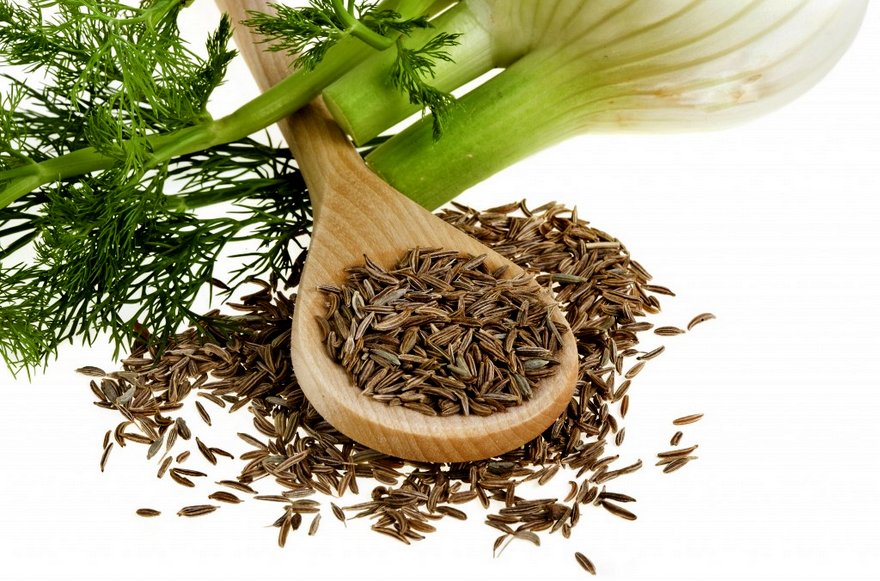
Fennel for Stomach Cramps


Fennel (saunf) exhibits antibacterial and antiviral activities. It acts as a carminative – a herb or preparation which is known to prevent the formation of gas. 

It is also has stomachic reducing properties which means that it helps in toning the stomach and improves digestive functions. 

Applying fennel oil has been reported to relieve menstrual cramps. It is an excellent source of potassium, calcium, magnesium, iron, phosphorous and zinc. It is also hepato-protective, has the ability to prevent damage to the liver. It can be powdered and mixed with soda bicarbonate, water and a pinch of black salt. This creates a synergistic effect.

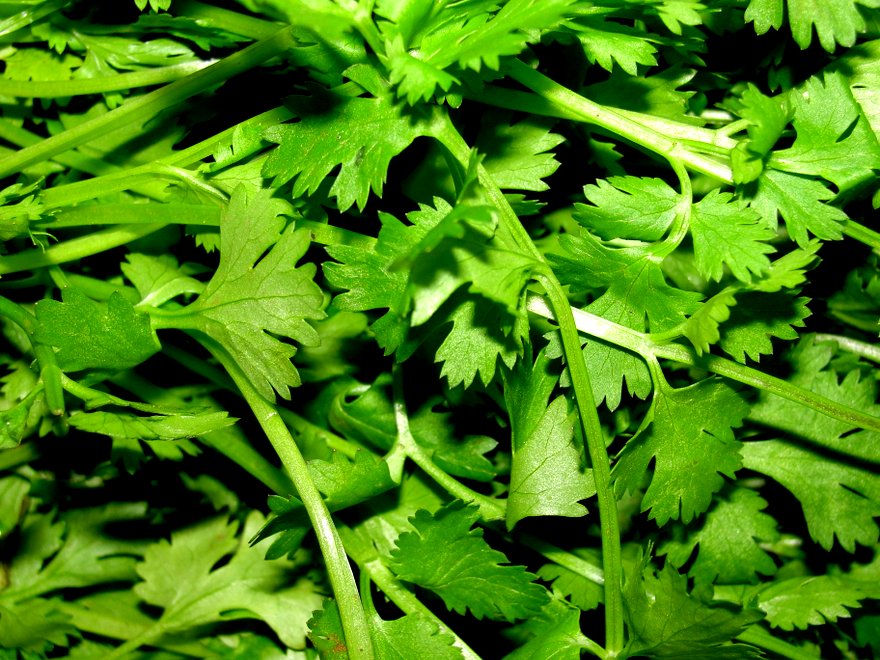
Coriander for Joint & Muscle Pain


Coriander (dhaniya) has been known as an analgesic, carminative, digestive, depurative (detoxifying), anti-rheumatic (joint pains) and antispasmodic (muscle spasms) agent. It can be used externally to treat ulcers and rheumatism (joint related ailments).

Ginger for Inflammation and Headache


Ginger is a popular anti-nausea and carminative ingredient. It has been used by people to cure motion sickness. It fights bacterial, fungal and viral infections. Ginger oil acts an anti-inflammatory for arthritis and headaches. In simple terms, inflammation refers to swelling. It can be rubbed on the effected area. Its diaphoretic effect is known to keep your body warm.

Hing (Asafoetida) for Indigestion


It reduces the growth of indigenous micro flora in the gut and also helps in relieving flatulence. It is an antispasmodic which means that it relieves the spasm by counteracting the effects of a hormone produced by the nerves called neurohormone acetylcholine. By doing so, the secretion of stomach acids and digestive enzymes is reduced and regulated. Take a pinch of hing, mix it in a spoonful of lukewarm water and rub it on your stomach.

Green Cardamom


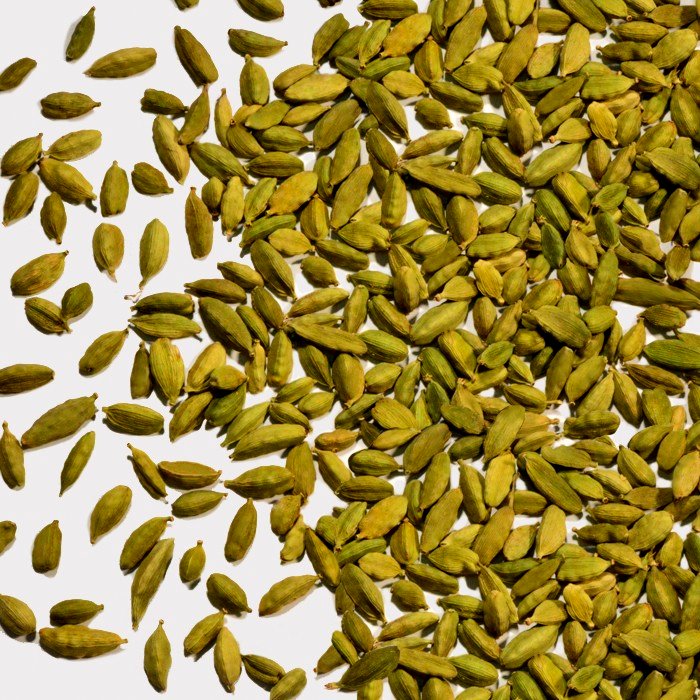
Cardamom is known to enhance the effectiveness of carminative (that combat flatulence) drugs. It is officially recognized in British and US pharmacopoeias and is used as an aromatic stimulant, carminative and flavoring agent. 

Chewing cardamom helps in regulating digestive fucntions.