Bone Mineral Density In Women: Staying Healthy With Strong BonesBy Gomathi Reddy.
http://easyayurveda.com/2016/04/27/bone-mineral-density/
She was frail, but happy.
The last time I saw her, she was smiling with a gentle wispy wave of her hand from behind the window – her last bye to me. A couple of weeks later, I got a call saying that she was in the ICU.
Read related: Low Bone Density Causes, Ayurvedic Treatment, Diet

What causes degenerated bones?
Genetically the Bone Mineral Density for Indians is low compared to Caucasians(whites); our skeletal size is smaller and despite being a tropical country, we have poor exposure to sunlight, resulting in skin pigmentation and vitamin-D deficiency; Added to this is a calcium deficient diet, inconsistent or zero exercise – All these variables point to a bleak picture of poor bone metabolism and bone health in Indians.
Most Indian children start their adulthood with poor “Peak bone mass.” The maximum bone size and strength we attain at puberty, and at 30 is referred to as peak bone mass, of that stage.
For girls, the peak bone mass attained during puberty is an important indicator of how their bone mass would shape up as adults. Young girls should drink a lot of milk and get enough Vitamin D during these crucial years of their growth.
Children and adolescents form a lot of bone, resulting in denser, longer and heavier bones and appropriate skeletal growth. The rate of bone formation is much higher during these years, than its depletion (resorption). This formation and depletion continues through adulthood, though the pace of formation gets reduced. By the time Indians are 30, their peak bone mass for life is attained, post which it goes downhill. In this phase, depletion exceeds formation. Bone loss happens at 0.7 percent per year and in the case of women in menopause, bone loss happens at a rapid 2 – 7 percent per year.
This accelerated bone loss is highest in the vertebrae, which are cancellousor spongy bones. Most women suffer, because of bad posture or too much of domestic chores that leave their spines bent and mauled.
There are also calcium-fortified breads, cereals, fruit juices, soy beverages and commercial mineral water with good amounts of calcium. These are an alternative route for lactose-intolerant and for vegan vegetarians to consume, for their daily dose of calcium.
If you are planning on taking supplements consult with your doctor on the appropriate dosage for you.
Vitamin D:
Next to calcium, Vitamin D builds your bone density by helping your intestines absorb your calcium intake. You can get your daily dose of Vitamin D with exposure to Sun i.e. Sun at around 7:30 – 8 am. If you in a location where there isn’t enough of Sun, take a vitamin D3 supplement.

Magnesium
Seaweed and green leafy vegetables like spinach and Swiss chard can be excellent sources of magnesium, as are some beans, nuts, and seeds, like pumpkin, sunflower, and sesame seeds, and avocados. If you opt for a supplement, choose magnesium threonate. It’s a newer type of magnesium supplement with superior ability to penetrate the mitochondrial membrane.

Among the symptoms of Asthi Kshaya is mentioned ‘Majjani saushiryam’. If Majja is considered as the matrix or materials which constitute and contribute to the density of the bone, Majja Saushiryam indicates loss of bone density. Asthi Kshaya can be thus compared to Osteopenia and Osteoporosis.
Vata and Asthi:
All Dosha’s have their abode in one or the other Dhatu (tissue). Vata is located in Asthi Dhatu. The Vata which has undergone a pathological increase due to Vata disturbing food and lifestyle activities will deplete the Asthi dhatu causing low bone density, osteopenia and osteoporosis. When Vata undergoes pathological decrease, it causes increase in Asthi dhatu.
Thus Vata increase (Vata vriddhi) can be considered one of the causative factors leading to osteopenia. In this sense, all those food and lifestyle activities contributing to Vata vriddhi can be considered as causative factors of Asthi Kshaya vis-à-vis osteopenia (osteoporosis).
Vata Prakopaka Karanani (Causative factors responsible for Vata vitiation):
Vyayama – Excessive exercises
Apatarpana – Fasting in excess
Prapatana – Fall, injury
Bhanga – Fractures
Kshaya – Depletion of tissues
Jaagarat – Excessive vigil (awakening all night)
Veganam cha vidharanat – Suppression of natural body urges (reflexes)
Ati shuchi – Excessive administration of cleansing procedures (Panchakarma)
Shaityadi – Excessive consumption of cold foods and activities
Traasaat – Fear
Ruksha – Excessive consumption of dry foods
Kshobha – Irritation
Kashaya – Excessive consumption of astringent foods
Tikta – Excessive consumption of bitter foods
Katu – Excessive consumption of pungent foods
Vari-ghanagame – cloudy and rainy season
Parinate anne – After the digestion of food
Aparahne – Evening
Among the causative factors for Asthivaha Sroto Dushti (Contamination of channels providing nutrition to bones and help in their formation) Vatala Ahara Vihara (Vata increasing food and activities) has been explained.
Asthi pradoshaja Roga:
Among the symptoms of Asthi pradoshaja Roga (Diseases due to contamination of bones) – Asthi bheda (splitting pain / fractures in bone?) and Asthi Shula (bone pain) have been mentioned.
Phakka Roga –
Phakka or Fakka Roga has been explained in Ayurvedic Paediatrics and is compared to Rickets.
Acharya Kashyapa tells that ‘A child is said to be suffering from Phakka Roga if he / she does not stand on their foot or walk even after 1 year of age’
Phakka roga is said to be of 3 types:
Ksheeraja – Drinking breast milk contaminated by morbid Kapha
Garbhaja – When the mother of the child quickly conceives for one more time she cannot feed the child due to deficit production of breast milk. The child gets debilitated day by day.
Vyadhija Phakka – Due to the affliction of diseases like fever etc for a prolonged period
Even according to modern medical science, Rickets is taken as a differential diagnosis for osteopenia
Ayurvedic Treatment plan
Treatment of Osteopenia by Ayurvedic methods should be done on below said lines:
Treating Asthi Dhatu Kshaya on the lines of Asthi pradoshaja vikara (Asthi ashrita roga) –
Panchakarma: Five cleansing measures or evacuation (detoxification) therapies explained in Ayurveda i.e.
Vamana – Therapeutic emesis (vomiting)
Virechana – Therapeutic Purgation
Asthapana Vasti – Decoction enemas
Anuvasana Vasti – Oil enemas
Nasya – Nasal instillation of medications
The above said treatments should be adapted according to the condition of the disease and diseased, after considering the disease pathology by all its fragments
Vasti – Among these, Vasti is said to be the best choice. Vasti is the best treatment for vitiated Vayu. We have seen that Vata vitiation is the chief culprit in the causation of osteopenia. Ksheera vasti (Enemas with milk processed with bitter drugs) and Sneha Vasti (enemas with ghee processed using bitter drugs) are very useful in alleviating vitiated Vayu and mitigating osteopenia (and osteoporosis)
Tikta Ksheera – Milk processed with bitter drugs shall be used to drink and also for enemas
Tikta Ghrita – Ghee processed with decoction of bitter drugs shall be used for drinking purpose and also for enemas
Treating Vayu:
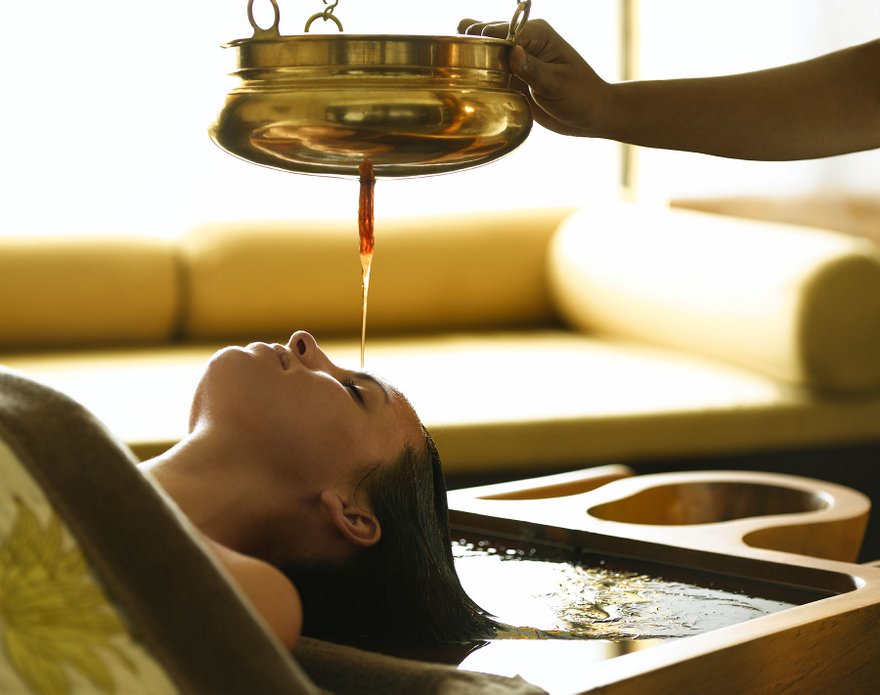
Sneha – Administration of medicated oils / ghee, Massage, oil pouring etc
Sweda – Steaming / sudation / sweating therapy
Mridu shodanam – Evacuation treatment (mild cleansing treatments like Virechana etc)
Svadu bhojana – Consuming sweet foods
Amla bhojana – consuming sour foods
Lavana bhojana – consuming salt foods
Ushna bhojana – Hot and fresh foods
Abhyangam – Massage with herbal oils
Mardana – Tapping the body with closed fists after application of vata alleviating oils
Seka – Pouring of medicated oils over the body in streams
Paishtika Madhya – Alcohol or fermented products prepared with flours
Goudika Madhya – Alcohol or fermented products prepared with jaggery
Snigdhoshna Vasti – Medicated enemas with oils and ghee, given luke warm
Deepana pachana sneha – Oils and ghee processed with deepana (appetizer) and pachana (digestant) drugs
Avoiding Vata prakopaka ahara vihara
Avoiding food and life style activities which aggravate Vata (explained above)
Correction of Agni, Ajeerna and Ama:
Disturbance of metabolism, indigestion and metabolites are said to be the initial culprits (culprits at the foundation) of osteopenia.
Loss of appetite, indigestion and any symptom related to upper or lower gastro-intestinal tract persisting for a longer duration should not be taken lightly.
They should be corrected by administration ghee processed with deepana (fire stimulating or appetizing) drugs and pachana (digestion promoting or ama destroying) drugs or the same drugs mixed in ghee. Medicines can be given in other forms also – Churna, Kashayam, etc
Ex: Ardhraka Ghrita, Guggulutiktakam Ghritam / Kashayam, Tiktaka Ghritam / Kashayam, Pippalyadi Ghritam, Indukantam Ghritam, Trikatu Churna, Panchakola churna etc.
The same medications correct errors of dhatugata agnimandhya (low tissue metabolism) and strengthen the tissues, the medo dhatvagni and asthi dhatvagni in this case.
Medo-chikitsa / Medoroga chikitsa:
Since Meda or fat is the immediate precursor of Asthi dhatu, treatment and medications to prevent or reduce accumulation of fat in the body should be administered, especially if the patient has a weight putting tendency or is obese and having family history of osteoporosis or osteopenia.
Virechana (Therapeutic purgation), Lekhana Vasti (fat eliminating enemas) and Udwarthana (massage done with herbal powders in the reverse direction) would provide benefit in these cases.
Anti-obesity medications should be given to reduce weight and fat. Ex:Medohara vidangadi lauha, Navaka Guggulu, Varadi Kashayam, Varanadi Kashayam, Guggulutiktakam Kashayam
Asthigata Vata and Sandhigata Vata chikitsa –
The above said 2 conditions are explained in Vata Vyadhi Though they are painful conditions caused by vitiated vayu (pain doesn’t exist in osteopenia), the treatment and medicines adapted in these 2 conditions can also be adapted in case of osteopenia because all those remedies take care of vitiated Vata and damage occurring in the bones.
The treatments and medications of both these conditions are done on the lines of Vata Vyadhi treatment (explained above in context of ‘Treat Vayu’)
Treating on lines of Bhagna Chikitsa (fracture treatment):
In any case of fracture, the bone should be reset before trying any medicine.
General treatment:
Seka – Stream pouring of medicated oils, milk etc
Lepa – Application of medicinal pastes
Bandhana – Bandages
Sheta upachara – Cold treatments (remedies)
Medications:
Asthishrunkala (Cissus quadrangularis) is the best option in fractures and dislocations
Medicated ghee prepare with this drug is taken orally
The juice of the plant can be given with ghee
Macerated stem of the fresh plant is used for application over fracture
Babul tree – Bark or seed powder of Babul is given with honey for fracture healing
Lashunadi Kalka – Paste of equal parts of Garlic, Lac, honey and sugar is given mixed in ghee
Pravala Bhasma – Pravala Bhasma (ash of coral) is given with honey or ghee
Arjuna twak churna – Powder of bark of Terminalia arjuna is given with milk
Shatadhauta Ghrita: Ghee processed (washed) with medicinal herbs (their decoctions) for 100 times is mixed with Shali pishti (rice flour) and applied over the fractures
Laksha-godhumadi yoga: Powder of lac, wheat flour and powder of Arjuna bark (Terminalia arjuna) mixed with ghee
Rasonadi yoga: Paste of Garlic, honey, Lac, ghee and sugar
Guggulu (Commiphora mukul) preparations
Lakshadi Guggulu
Aabhadi Guggulu
Treating on the lines of Phakka Roga:
Ghrita pana: (medicated ghee for drinking)
Kalyanaka Ghritam
Shatpala Ghritam
Amruta Ghritam
Shodhana (cleansing medicines):
After the child is saturated by Snehana (drinking medicated ghee as said above) Shodhana, especially Virechana (purgation) should be given after 7 days by administering Trivrit Ksheera – milk processed with Trivrit(Operculina turpethum)
Brahmi Ghrita: After the evacuation process (Shodhana), Brahmi Ghritashould be given
Diet: Mamsayusha (meat soup), Shali (cooked rice), Siddha ksheera (medicated milk etc
Vasti – Medicated enemas
Svedana – Steaming or fomentation with herbal decoctions or milk
Udvartana- Powder massage done in a reverse direction (upward)
Best formulations for osteopenia:
http://easyayurveda.com/2016/04/27/bone-mineral-density/
She was frail, but happy.
The last time I saw her, she was smiling with a gentle wispy wave of her hand from behind the window – her last bye to me. A couple of weeks later, I got a call saying that she was in the ICU.
I rushed to meet her, and was not allowed to. I heard the rest of the story from her relatives and domestic help – She’s been a chronic diabetic for years, and her Bone Mineral Density(BMD), as I ran through her reports, reported way below normal values – always.
Apparently she was just walking in her backyard, had a gentle fall, got up and was attending to work at home as usual. A day later when the swelling in her ankle didn’t recede, she was asked to X-ray her leg and was diagnosed with a fracture. She was surprised. And then she had to undergo a surgery to get it back to shape.
Because of her diabetes, the surgical incision wouldn’t heal, things got worse within a week, and here she was heading into a coma in the ICU. And within a week after that, she was gone. Those were the last few weeks in the life of another Indian woman who was a wife, mother, sister, daughter to her family and my favourite teacher at school.
These are stories that each one of us have – a few documented, a few reflected upon, a few taken in the stride – oblivious of the fact that all Indian woman, as they age, have a high risk of loss of bone or osteoporosis and rapid deterioration of BMD, leading to complications that are multiplied by the low-mineral intakes that we just overlook.
When Shakespeare wooed, “Frailty, thy name is woman,” I am sure he didn’t refer to an Indian woman with osteoporosis.
What is Osteoporosis?
Osteoporosis is characterized by low bone mineral density with deterioration of bone tissue that leaves them fragile. The susceptibility to fracture is pretty high in such a situation. Studies point out that osteoporotic fractures in India occur commonly in both sexes, and may occur at a younger age than in the West, especially in women. Based on available data and clinical experience it is estimated that close to 25 million Indians with osteoporosis end up fracturing their wrists, hips, and spine. These fractures can limit their mobility, independence and emotional quality of their life.
These are stories that each one of us have – a few documented, a few reflected upon, a few taken in the stride – oblivious of the fact that all Indian woman, as they age, have a high risk of loss of bone or osteoporosis and rapid deterioration of BMD, leading to complications that are multiplied by the low-mineral intakes that we just overlook.
When Shakespeare wooed, “Frailty, thy name is woman,” I am sure he didn’t refer to an Indian woman with osteoporosis.
What is Osteoporosis?
Osteoporosis is characterized by low bone mineral density with deterioration of bone tissue that leaves them fragile. The susceptibility to fracture is pretty high in such a situation. Studies point out that osteoporotic fractures in India occur commonly in both sexes, and may occur at a younger age than in the West, especially in women. Based on available data and clinical experience it is estimated that close to 25 million Indians with osteoporosis end up fracturing their wrists, hips, and spine. These fractures can limit their mobility, independence and emotional quality of their life.
Read related: Low Bone Density Causes, Ayurvedic Treatment, Diet
What causes degenerated bones?
Genetically the Bone Mineral Density for Indians is low compared to Caucasians(whites); our skeletal size is smaller and despite being a tropical country, we have poor exposure to sunlight, resulting in skin pigmentation and vitamin-D deficiency; Added to this is a calcium deficient diet, inconsistent or zero exercise – All these variables point to a bleak picture of poor bone metabolism and bone health in Indians.
Most Indian children start their adulthood with poor “Peak bone mass.” The maximum bone size and strength we attain at puberty, and at 30 is referred to as peak bone mass, of that stage.
For girls, the peak bone mass attained during puberty is an important indicator of how their bone mass would shape up as adults. Young girls should drink a lot of milk and get enough Vitamin D during these crucial years of their growth.
Children and adolescents form a lot of bone, resulting in denser, longer and heavier bones and appropriate skeletal growth. The rate of bone formation is much higher during these years, than its depletion (resorption). This formation and depletion continues through adulthood, though the pace of formation gets reduced. By the time Indians are 30, their peak bone mass for life is attained, post which it goes downhill. In this phase, depletion exceeds formation. Bone loss happens at 0.7 percent per year and in the case of women in menopause, bone loss happens at a rapid 2 – 7 percent per year.
This accelerated bone loss is highest in the vertebrae, which are cancellousor spongy bones. Most women suffer, because of bad posture or too much of domestic chores that leave their spines bent and mauled.
In rural India, women also work alongside their men in non-mechanized fields – sowing, reaping and threshing. In the dry and arid regions, women and girls walk long distances every day to fetch a few pails of potable water. To reduce their trips, they end up carrying more than what their shoulders and hips can carry in a trip. Every such daily chore takes a toll on the woman’s health and her bones. Rural India’s lifestyle issues include non-smoking tobacco usage, by both men and women, which leads to depletion of calcium and brittle bones, very early in life.
Other than the primary causes for damaged bones, medical conditions such as hypogonadism, thyrotoxicosis, Cushing syndrome, anorexia nervosa,malabsorption syndromes, chronic liver and renal diseaseand chronic inflammatory conditions like rheumatoid arthritis may lead to secondary osteoporosis.
Fortunately, there are many things we can do at every age to keep our bones strong and healthy.
How do I keep my bones healthy?
Make Calcium and Vitamin D part of your daily diet. Avoid alcohol, caffeine and quit smoking. Compliment this with regular exercise and the right nutrition. These are simple, safe and cost-effective methods of avoiding brittle bones, as you age. Latest studies show medication being successful in treating metabolic issues, and reversal of bone loss through bone forming medications.
Though loss of bone density is considered to be a “silent killer,” the good news is that, the situation can be corrected with the right nutritious food and exercise. Here’s a run-down on the must-have minerals:

calcium rich diet
Calcium: Calcium is a major building-block of our bone tissue, and our skeleton houses 99 per cent of our body’s calcium. The calcium in our bones also acts as a ‘reservoir’ for maintaining calcium levels in the blood which is essential for healthy nerve and muscle functioning.
The amount of calcium we need to consume changes at different stages in our lives. Calcium requirements are high during teenage years with the rapid growth of the skeleton, and during this time, our body’s efficiency in absorbing calcium from food is good. With age, however, the ability to absorb calcium efficiently declines, and that is why older women are recommended higher amounts of calcium.
Dietary sources of calcium include milk and other dairy products which are also good enough for your daily dose of protein and micronutrients necessary for bone and general health.
Other than the primary causes for damaged bones, medical conditions such as hypogonadism, thyrotoxicosis, Cushing syndrome, anorexia nervosa,malabsorption syndromes, chronic liver and renal diseaseand chronic inflammatory conditions like rheumatoid arthritis may lead to secondary osteoporosis.
Fortunately, there are many things we can do at every age to keep our bones strong and healthy.
How do I keep my bones healthy?
Make Calcium and Vitamin D part of your daily diet. Avoid alcohol, caffeine and quit smoking. Compliment this with regular exercise and the right nutrition. These are simple, safe and cost-effective methods of avoiding brittle bones, as you age. Latest studies show medication being successful in treating metabolic issues, and reversal of bone loss through bone forming medications.
Though loss of bone density is considered to be a “silent killer,” the good news is that, the situation can be corrected with the right nutritious food and exercise. Here’s a run-down on the must-have minerals:
calcium rich diet
Calcium: Calcium is a major building-block of our bone tissue, and our skeleton houses 99 per cent of our body’s calcium. The calcium in our bones also acts as a ‘reservoir’ for maintaining calcium levels in the blood which is essential for healthy nerve and muscle functioning.
The amount of calcium we need to consume changes at different stages in our lives. Calcium requirements are high during teenage years with the rapid growth of the skeleton, and during this time, our body’s efficiency in absorbing calcium from food is good. With age, however, the ability to absorb calcium efficiently declines, and that is why older women are recommended higher amounts of calcium.
Dietary sources of calcium include milk and other dairy products which are also good enough for your daily dose of protein and micronutrients necessary for bone and general health.
- Vegetables, like broccoli, kale, the pith of citrus fruits, carob, sesame seeds and bokchoy are good sources of calcium too.
- You should also add canned fish with soft, edible bones (the calcium’s in the bones!) such as sardines, pilchards and salmon; nuts – especially brazil nuts and almonds; some fruits such as oranges, apricots and dried figs; and calcium-set tofu are a good mix to add to your dietary table.
- Homemade bone broth is also a good source of calcium. Add a few drops of vinegar to the broth and you can add this to soups or slurp it as is. The top layer or skin that is formed as the broth cools down has many nutrients and healthy fats.
There are also calcium-fortified breads, cereals, fruit juices, soy beverages and commercial mineral water with good amounts of calcium. These are an alternative route for lactose-intolerant and for vegan vegetarians to consume, for their daily dose of calcium.
If you are planning on taking supplements consult with your doctor on the appropriate dosage for you.
Vitamin D:
Next to calcium, Vitamin D builds your bone density by helping your intestines absorb your calcium intake. You can get your daily dose of Vitamin D with exposure to Sun i.e. Sun at around 7:30 – 8 am. If you in a location where there isn’t enough of Sun, take a vitamin D3 supplement.
Magnesium
Seaweed and green leafy vegetables like spinach and Swiss chard can be excellent sources of magnesium, as are some beans, nuts, and seeds, like pumpkin, sunflower, and sesame seeds, and avocados. If you opt for a supplement, choose magnesium threonate. It’s a newer type of magnesium supplement with superior ability to penetrate the mitochondrial membrane.
It is important to maintain a balance of your calcium with magnesium in the ratio of 1:1.
Vitamin K2:
Vitamin K2 is next only to Calcium and Vitamin D3 in its importance as far as maintaining healthy bone density is concerned. Vitamin K2 is the biological “glue” that plugs calcium into your bone matrix. It helps to move calcium into your bones and teeth and helps to remove calcium from your arteries and soft tissues.
When you take Vitamin D3, your body creates proteins which are K2-dependent. In other words you need K2 to activate these proteins to move the calcium around your body. If you do not have sufficient K2, then even if you have enough calcium in your system, it is not distributed appropriately. Infact it can lead to weaker bones and hardened arteries.
A good natural source of Vitamin K2 is fermented vegetables. Alternatively, you always can rely on vitamin K2 supplements.
The other minerals you should look out for are, Omega-6 and Omega-3 fats. Apart from these minerals, the body needs consistent exercise.
Make sure that your fitness program offers sufficient weight bearing activities for muscular strength, high intensity exercises for burning fat, and a couple of rounds to improve your cardiovascular fitness. Yoga can be a great way to regain bone strength and maintain hormonal balance.
Awareness about how to maintain a healthy bone density, across the various stages in a woman’s life can ensure a healthy and worry-free life as you get older.
Get Aware – Prevention is better than cure
The adage “prevention is better than cure” cannot be far from being true, when it comes to maintaining bone strength in women. Understand your basic bone structure and strength, before you embark on fortifying it.
Indian women have smaller bones with a thinner cortex and small diameter. They are more vulnerable than Indian men to suffering from depleted bone density. While men are at a risk for bone depletion after 70 years, women start going downhill by the time they are 45. Here’s a quick gist of what to expect at different stages of woman’s life.
Growing girls: Girls attain half of their total body calcium by the time they begin puberty. A regular period is a sign of good health and sufficient production of estrogen, in girls. Estrogen improves calcium absorption in the kidneys and intestines. By the time they are 20 almost all of their peak bone mass is achieved. Peak bone mass gets affected, when girls attain early or late onset of puberty. Obesity can pace up the onset of puberty in some girls, in turn affecting their peak bone mass for life. Obesity can have varying effects on girls depending on their genetic makeup, nutrition and life style.
The nutritional demands during adolescence is heavy as the body adds maximum bones strength, builds height and attains 95% of the growth needed for an adult. Calcium and Vitamin D intake are crucial for the bone strength.
Adolescent boys and girls must get 1200 mg of calcium every day. A cup of yoghurt or orange juice and 3 cups of green leafy vegetables are sufficient to get your daily dose, or you must have it through supplements.
Children can be encouraged to see the negative effects of beverages and carbonated drinks, which decrease calcium absorption in the intestines. A Vitamin D supplement along with calcium ensures that the calcium gets absorbed in the intestines.
Exercise and Examinations
Weight-bearing exercises during adolescence are essential to reach maximum bone strength. Team sports like soccer or basketball or daily routines like walking and running fall under this category. But too much of these activities can be harmful for a young woman’s body. With too much activity, the ensuing hormonal changes can cause menstrual periods to stop – a condition referred to as amenorrhea. This leads to an imbalanced estrogen and hence bone loss at a time when a girl’s body must be adding bone rapidly, to be relevant for the rest of her life. Discuss with your doctor, if you notice any changes or interruptions to the menstrual cycle during these years.
If you are already suffering from osteoporosis, get into a yoga regimen only if your physician approves the practice. When you want to try yoga, keep the following guidelines in mind, to reduce the risk of fractures, during a session. It would be a good idea to attempt yoga with a qualified trainer in private, rather than being part of group yoga classes, which may have a mix of all age groups. The intensity to want to keep up with the rest of the class is not a good idea, if you have been diagnosed with osteoporosis.
Yoga – The Watch OutList
Yoga is considered as an effective medicine for common ailments such as period pain, mild back pain, digestive complaints, insomnia, upper back and neck and shoulder tension, high blood pressure, arthritis and osteoporosis.
Yoga instructor, Nanammal, in Coimbatore city of Tamil Nadu is 93 and is a proof that a lifetime’s dedication to yoga can help one stay flexible and healthy at any age. You can choose to like her, even now.
For those diagnosed with osteoporosis, keep the rhythm and movement of postures slow and steady.
Avoid flexing the spine to stretch the back, stretch the legs, or strengthen the abdominal muscles.
Vitamin K2:
Vitamin K2 is next only to Calcium and Vitamin D3 in its importance as far as maintaining healthy bone density is concerned. Vitamin K2 is the biological “glue” that plugs calcium into your bone matrix. It helps to move calcium into your bones and teeth and helps to remove calcium from your arteries and soft tissues.
When you take Vitamin D3, your body creates proteins which are K2-dependent. In other words you need K2 to activate these proteins to move the calcium around your body. If you do not have sufficient K2, then even if you have enough calcium in your system, it is not distributed appropriately. Infact it can lead to weaker bones and hardened arteries.
A good natural source of Vitamin K2 is fermented vegetables. Alternatively, you always can rely on vitamin K2 supplements.
The other minerals you should look out for are, Omega-6 and Omega-3 fats. Apart from these minerals, the body needs consistent exercise.
Make sure that your fitness program offers sufficient weight bearing activities for muscular strength, high intensity exercises for burning fat, and a couple of rounds to improve your cardiovascular fitness. Yoga can be a great way to regain bone strength and maintain hormonal balance.
Awareness about how to maintain a healthy bone density, across the various stages in a woman’s life can ensure a healthy and worry-free life as you get older.
Get Aware – Prevention is better than cure
The adage “prevention is better than cure” cannot be far from being true, when it comes to maintaining bone strength in women. Understand your basic bone structure and strength, before you embark on fortifying it.
Indian women have smaller bones with a thinner cortex and small diameter. They are more vulnerable than Indian men to suffering from depleted bone density. While men are at a risk for bone depletion after 70 years, women start going downhill by the time they are 45. Here’s a quick gist of what to expect at different stages of woman’s life.
Growing girls: Girls attain half of their total body calcium by the time they begin puberty. A regular period is a sign of good health and sufficient production of estrogen, in girls. Estrogen improves calcium absorption in the kidneys and intestines. By the time they are 20 almost all of their peak bone mass is achieved. Peak bone mass gets affected, when girls attain early or late onset of puberty. Obesity can pace up the onset of puberty in some girls, in turn affecting their peak bone mass for life. Obesity can have varying effects on girls depending on their genetic makeup, nutrition and life style.
The nutritional demands during adolescence is heavy as the body adds maximum bones strength, builds height and attains 95% of the growth needed for an adult. Calcium and Vitamin D intake are crucial for the bone strength.
Adolescent boys and girls must get 1200 mg of calcium every day. A cup of yoghurt or orange juice and 3 cups of green leafy vegetables are sufficient to get your daily dose, or you must have it through supplements.
Children can be encouraged to see the negative effects of beverages and carbonated drinks, which decrease calcium absorption in the intestines. A Vitamin D supplement along with calcium ensures that the calcium gets absorbed in the intestines.
Exercise and Examinations
Weight-bearing exercises during adolescence are essential to reach maximum bone strength. Team sports like soccer or basketball or daily routines like walking and running fall under this category. But too much of these activities can be harmful for a young woman’s body. With too much activity, the ensuing hormonal changes can cause menstrual periods to stop – a condition referred to as amenorrhea. This leads to an imbalanced estrogen and hence bone loss at a time when a girl’s body must be adding bone rapidly, to be relevant for the rest of her life. Discuss with your doctor, if you notice any changes or interruptions to the menstrual cycle during these years.
If you are already suffering from osteoporosis, get into a yoga regimen only if your physician approves the practice. When you want to try yoga, keep the following guidelines in mind, to reduce the risk of fractures, during a session. It would be a good idea to attempt yoga with a qualified trainer in private, rather than being part of group yoga classes, which may have a mix of all age groups. The intensity to want to keep up with the rest of the class is not a good idea, if you have been diagnosed with osteoporosis.
Yoga – The Watch OutList
Yoga is considered as an effective medicine for common ailments such as period pain, mild back pain, digestive complaints, insomnia, upper back and neck and shoulder tension, high blood pressure, arthritis and osteoporosis.
Yoga instructor, Nanammal, in Coimbatore city of Tamil Nadu is 93 and is a proof that a lifetime’s dedication to yoga can help one stay flexible and healthy at any age. You can choose to like her, even now.
For those diagnosed with osteoporosis, keep the rhythm and movement of postures slow and steady.
Avoid flexing the spine to stretch the back, stretch the legs, or strengthen the abdominal muscles.
Instead lie-down, lift or move the legs, the head and shoulders to achieve the same effect.
Avoid pulling yourself into a twist using your arms. Introduce rotation gradually, using slow movement, without force.
If you are asked to arch backwards to open the front of the chest, then replace that by arm movements that gently open the chest, without working on your back. You can also go into a reclining position, place a rolled towel or soft pillow under the upper back, mimicking a supported backbend. This is useful for restoring posture.
Watch your wrists since wrist fractures are very common in people suffering from osteoporosis. Avoid supporting bodyweight with your hands. Strengthen your wrist muscles through mudras, arm movements, or sustained arm positions.
Building leg and hip strength through balancing postures and standing poses are good for stabilizing the bone density but are extremely dangerous without the support of a wall or chair. Always ensure that you have a supportive friend or a teacher by your side.
Do not try the headstand or the shoulder stand. Instead try restorative postures, like legs-up-the-wall.
Now that you have an idea of what not to do, the following brief notes on age-wise analysis of the bone mass density will help you to arrive at a plan that can iimprove upon yours/your loved one’s bone health.
Between 20 – 30 Years
This is the age when your body reaches peak strength. You need a good amount of calcium and Vitamin D to realize peak bone density. Make sure you get atleast 30 minutes of brisk walk or jog for 5 days a week. Take up any muscle strengthening activities for 2-3 days a week.
This is also the phase when a woman’s body needs maximum nourishment as it gets ready for pregnancy and breastfeeding. Get the recommended calcium and Vitamin D as prescribed by your doctor without fail, as your baby in the womb, will start extracting calcium out of your (her mother’s) bones to build her own skeleton. If you don’t have enough of it, you will lose bone strength rapidly during pregnancy and during nursing years. A healthy diet and exercise, during and post breastfeeding years, will help a mother regain lost bone strength.
Between 30 – 50 Years
Remodeling is a natural body process by which your body is replacing old bone with fresh bone, on an ongoing basis, until you are 40. After that, less bone is replaced, implying that the lost bone is not being replaced at the same pace. From then on, you will be living with an older bone that has gone through the travails of life. Exercise, nutritious food, calcium and Vitamin D supplements are important to maintain muscle mass that help support the bone from getting weakened by falls.

Older Than 50 Years
Most women are going through their menopausal years (42-55 years) and doctors will recommend a slightly higher dose of calcium and vitamin D.
Avoid pulling yourself into a twist using your arms. Introduce rotation gradually, using slow movement, without force.
If you are asked to arch backwards to open the front of the chest, then replace that by arm movements that gently open the chest, without working on your back. You can also go into a reclining position, place a rolled towel or soft pillow under the upper back, mimicking a supported backbend. This is useful for restoring posture.
Watch your wrists since wrist fractures are very common in people suffering from osteoporosis. Avoid supporting bodyweight with your hands. Strengthen your wrist muscles through mudras, arm movements, or sustained arm positions.
Building leg and hip strength through balancing postures and standing poses are good for stabilizing the bone density but are extremely dangerous without the support of a wall or chair. Always ensure that you have a supportive friend or a teacher by your side.
Do not try the headstand or the shoulder stand. Instead try restorative postures, like legs-up-the-wall.
Now that you have an idea of what not to do, the following brief notes on age-wise analysis of the bone mass density will help you to arrive at a plan that can iimprove upon yours/your loved one’s bone health.
Between 20 – 30 Years
This is the age when your body reaches peak strength. You need a good amount of calcium and Vitamin D to realize peak bone density. Make sure you get atleast 30 minutes of brisk walk or jog for 5 days a week. Take up any muscle strengthening activities for 2-3 days a week.
This is also the phase when a woman’s body needs maximum nourishment as it gets ready for pregnancy and breastfeeding. Get the recommended calcium and Vitamin D as prescribed by your doctor without fail, as your baby in the womb, will start extracting calcium out of your (her mother’s) bones to build her own skeleton. If you don’t have enough of it, you will lose bone strength rapidly during pregnancy and during nursing years. A healthy diet and exercise, during and post breastfeeding years, will help a mother regain lost bone strength.
Between 30 – 50 Years
Remodeling is a natural body process by which your body is replacing old bone with fresh bone, on an ongoing basis, until you are 40. After that, less bone is replaced, implying that the lost bone is not being replaced at the same pace. From then on, you will be living with an older bone that has gone through the travails of life. Exercise, nutritious food, calcium and Vitamin D supplements are important to maintain muscle mass that help support the bone from getting weakened by falls.
Older Than 50 Years
Most women are going through their menopausal years (42-55 years) and doctors will recommend a slightly higher dose of calcium and vitamin D.
There is a rapid loss of estrogen, and some women experience a rise in testosterone too. As you must be aware normally estrogen and testosterone are present in both men and women; while estrogen levels are higher in women, testosterone is higher in men.
Any imbalances in estrogen and testosterone levels triggers physiological changes (like growth of facial hair, in women) and rapid bone loss. It is a fact that most women lose upto 40% of their inner soft and spongy bone and 10% of their outer hard bone by the time they are 45, increasing their risk of falls and fractures.
Consult with your doctor, if your period is irregular or if you experience signs of menopause. Get a, Bone Mineral Density (BMD) done. Your bone health is measured by a Dual Energy XRay Absorptiometry (DXA) test.
If your doctor suggests a Hormone Replacement Therapy (HRT) to prevent bone loss, be aware that taking estrogen long term, post menopause has been found to have many side effects including, increased risk of blood clots, stroke, heart attack, breast and ovarian cancers, gall bladder disease and in some cases dementia.
In Conclusion
Dr.Robert Thompson in his book “The Calcium Lie,” proposes that one of the best practical alternatives in terms of supplementation is to use natural, unprocessed salts, such as Himalayan salt, as they are one of the best sources of a very wide variety of trace minerals. Himalayan Crystal Salt, contains all 84 elements found in your body! Use it to keep your body’s metabolism in shape.
Dr. Kate Rheaume Bleue in his work, “Vitamin K2 and the Calcium Paradox: How a Little Known Vitamin Could Save Your Life,” suggests that Vitamin K2 along with Calcium, Vitamin D, and magnesium works synergistically to promote strong, healthy bones. Making this part of your nutrition intake early on, can make all the difference to a healthier bone mass and a stronger body, even in old age.
Proper diet, regular sun exposure, and weight bearing exercises can prevent and treat weakening bones.
Consult with your doctor, if your period is irregular or if you experience signs of menopause. Get a, Bone Mineral Density (BMD) done. Your bone health is measured by a Dual Energy XRay Absorptiometry (DXA) test.
If your doctor suggests a Hormone Replacement Therapy (HRT) to prevent bone loss, be aware that taking estrogen long term, post menopause has been found to have many side effects including, increased risk of blood clots, stroke, heart attack, breast and ovarian cancers, gall bladder disease and in some cases dementia.
In Conclusion
Dr.Robert Thompson in his book “The Calcium Lie,” proposes that one of the best practical alternatives in terms of supplementation is to use natural, unprocessed salts, such as Himalayan salt, as they are one of the best sources of a very wide variety of trace minerals. Himalayan Crystal Salt, contains all 84 elements found in your body! Use it to keep your body’s metabolism in shape.
Dr. Kate Rheaume Bleue in his work, “Vitamin K2 and the Calcium Paradox: How a Little Known Vitamin Could Save Your Life,” suggests that Vitamin K2 along with Calcium, Vitamin D, and magnesium works synergistically to promote strong, healthy bones. Making this part of your nutrition intake early on, can make all the difference to a healthier bone mass and a stronger body, even in old age.
Proper diet, regular sun exposure, and weight bearing exercises can prevent and treat weakening bones.
Avoid processed foods and soda – these deplete the calcium in your bones and increase bone damage. By avoiding processed foods, you are choosing a healthier lifestyle as you’d be ditching refined sugars and processed fructose, which are one of the reasons for insulin resistance.
These simple changes to your eating habits will provide you with a good potassium to sodium ratio, which is important for maintaining bone mass. Eat raw organically raised fresh vegetables. Try vegetable juicing, for spicing up your new menu.
Above all treat your body with respect, before it gets too damaged to respond to any treatment. Your body is given to you to achieve a purpose in this life time, it is your duty to take care of the core of it – your bones and skeleton – with care.
Above all treat your body with respect, before it gets too damaged to respond to any treatment. Your body is given to you to achieve a purpose in this life time, it is your duty to take care of the core of it – your bones and skeleton – with care.
Start your day with a silent prayer appreciating the body that was given to you, and for every few steps and a bite that you take through the day, remember to add some nourishment to your bones.
References:
Gupta AK, Samuel KC, Kurian PM, Rallan RC. Preliminary study of the incidence and aetiology of femoral neck fracture in Indians. Indian J Med Res 1967; 55 : 1341-8.
Vaishnava H, Rizvi SNA. Frequency of osteomalacia and osteoporosis in fractures of proximal femur. Lancet 1974; 1 : 676-7.
Sankaran B. Clinical studies: Incidence of fracture neck of femur and intertrochanteric fractures in three Delhi hospitals. In: Sankaran B, editor. Osteoporosis. New Delhi: South East Asia Regional Office, World Health Organization; 2000. p. 9-18.
Keramat A, Mithal A. Risk factors for osteoporosis in urban Asian Indian women presenting for a preventive health check- up. 2nd Joint Meeting of the European Calcified Tissue Society and the International Bone and Mineral Society, Geneva, 2005, June 25-29.
Jha R, Mithal A, et al. Pilot case control investigation of risk factors for hip fractures in the urban Indian population. 2nd Joint Meeting of the European Calcified Tissue Society and the International Bone and Mineral Society, Geneva, 2005, June 25-29.
Mitra S, Desai M, Ikram M. Vitamin D receptor gene polymorphisms and bone mineral density in postmenopausal Indian women. Maturitas 2006; 55 : 27-35.
Vupputuri M, Goswami R, Gupta N, Ray D, Tandon N, Kumar N. Prevalence and functional significance of 25- hydroxyvitamin D deficiency and vitamin D receptor gene polymorphisms in Asian Indians. Am J ClinNutr 2006; 83 : 1411-9.
Mitra S, Desai M, Ikram M. Association of estrogen receptor a gene polymorphisms with bone mineral density in postmenopausal Indian women. Mol Genet Metab 2006; 87 : 80-7.
Sachan A, Gupta R, Das V, Agarwal A, Awasthi PK, Bhatia V. High prevalence of vitamin D deficiency among pregnant women and their newborns in northern India. Am J ClinNutr 2005; 81 : 1060-4.
Marwaha R, Tandon N, Reddy DR, Aggarwal R, Sawhney RC, Saluja B, et al. Vitamin D and bone mineral density status of healthy schoolchildren in northern India. Am J ClinNutr 2005; 82 : 477-82.
Harinarayan CV. Prevalence of vitamin D insufficiency in postmenopausal south Indian women. Osteoporosis Int 2005; 16 : 397-402.
Harinarayan CV, Ramalakshmi T, Prasad UV, Sudhakar D, Srinivasarao P, Sarma KVS, et al. High prevalence of low dietary calcium, high phytate consumption, and vitamin D deficiency in healthy south Indians. Am J ClinNutr 2007; 85 : 1062-7.
Goswami R, Gupta N, Goswami D, Marwaha RK, Tandon N, Kochupillai N. Prevalence and significance of low 25 hydroxyvitamin D concentrations in healthy subjects in Delhi. Am J ClinNutr 2000; 72 : 472-5.
Arya V, Bhambri R, Godbole MM, Mithal A. Vitamin D status and its relationship with bone mineral density in healthy Asian Indians. Osteoporosis Int 2004; 15 : 56-61.
Shatrugna V, Kulkarni B, Kumar PA, Rani KU, Balakrishna N. Bone status of Indian women from a low-income group and its relationship to the nutritional status. Osteoporosis Int 2005; 16 : 1827-35.
Tandon N, Marwaha RK, Kalra S, Gupta N, Dudha A, Kochupillai N. Bone mineral parameters in healthy young Indian adults with optimal vitamin D availability. Natl Med J India 2003; 16 : 298-302.
Author Bio: Gomathi Reddy is a Marketing Communication professional with specific research interest in gender studies. She writes about issues that affect women – the physical, emotional and everything in between. As an online journalist she also writes about challenges that plague the Indian society and blogs on how to make her country a better place to live.
Read her blog and connect with her, here
References:
Gupta AK, Samuel KC, Kurian PM, Rallan RC. Preliminary study of the incidence and aetiology of femoral neck fracture in Indians. Indian J Med Res 1967; 55 : 1341-8.
Vaishnava H, Rizvi SNA. Frequency of osteomalacia and osteoporosis in fractures of proximal femur. Lancet 1974; 1 : 676-7.
Sankaran B. Clinical studies: Incidence of fracture neck of femur and intertrochanteric fractures in three Delhi hospitals. In: Sankaran B, editor. Osteoporosis. New Delhi: South East Asia Regional Office, World Health Organization; 2000. p. 9-18.
Keramat A, Mithal A. Risk factors for osteoporosis in urban Asian Indian women presenting for a preventive health check- up. 2nd Joint Meeting of the European Calcified Tissue Society and the International Bone and Mineral Society, Geneva, 2005, June 25-29.
Jha R, Mithal A, et al. Pilot case control investigation of risk factors for hip fractures in the urban Indian population. 2nd Joint Meeting of the European Calcified Tissue Society and the International Bone and Mineral Society, Geneva, 2005, June 25-29.
Mitra S, Desai M, Ikram M. Vitamin D receptor gene polymorphisms and bone mineral density in postmenopausal Indian women. Maturitas 2006; 55 : 27-35.
Vupputuri M, Goswami R, Gupta N, Ray D, Tandon N, Kumar N. Prevalence and functional significance of 25- hydroxyvitamin D deficiency and vitamin D receptor gene polymorphisms in Asian Indians. Am J ClinNutr 2006; 83 : 1411-9.
Mitra S, Desai M, Ikram M. Association of estrogen receptor a gene polymorphisms with bone mineral density in postmenopausal Indian women. Mol Genet Metab 2006; 87 : 80-7.
Sachan A, Gupta R, Das V, Agarwal A, Awasthi PK, Bhatia V. High prevalence of vitamin D deficiency among pregnant women and their newborns in northern India. Am J ClinNutr 2005; 81 : 1060-4.
Marwaha R, Tandon N, Reddy DR, Aggarwal R, Sawhney RC, Saluja B, et al. Vitamin D and bone mineral density status of healthy schoolchildren in northern India. Am J ClinNutr 2005; 82 : 477-82.
Harinarayan CV. Prevalence of vitamin D insufficiency in postmenopausal south Indian women. Osteoporosis Int 2005; 16 : 397-402.
Harinarayan CV, Ramalakshmi T, Prasad UV, Sudhakar D, Srinivasarao P, Sarma KVS, et al. High prevalence of low dietary calcium, high phytate consumption, and vitamin D deficiency in healthy south Indians. Am J ClinNutr 2007; 85 : 1062-7.
Goswami R, Gupta N, Goswami D, Marwaha RK, Tandon N, Kochupillai N. Prevalence and significance of low 25 hydroxyvitamin D concentrations in healthy subjects in Delhi. Am J ClinNutr 2000; 72 : 472-5.
Arya V, Bhambri R, Godbole MM, Mithal A. Vitamin D status and its relationship with bone mineral density in healthy Asian Indians. Osteoporosis Int 2004; 15 : 56-61.
Shatrugna V, Kulkarni B, Kumar PA, Rani KU, Balakrishna N. Bone status of Indian women from a low-income group and its relationship to the nutritional status. Osteoporosis Int 2005; 16 : 1827-35.
Tandon N, Marwaha RK, Kalra S, Gupta N, Dudha A, Kochupillai N. Bone mineral parameters in healthy young Indian adults with optimal vitamin D availability. Natl Med J India 2003; 16 : 298-302.
Author Bio: Gomathi Reddy is a Marketing Communication professional with specific research interest in gender studies. She writes about issues that affect women – the physical, emotional and everything in between. As an online journalist she also writes about challenges that plague the Indian society and blogs on how to make her country a better place to live.
Read her blog and connect with her, here
Ayurvedic concepts of Osteopenia
http://easyayurveda.com/2015/11/20/low-bone-density-causes-ayurvedic-treatment-diet/
As with any disease, we cannot make an exact correlation of osteopenia to any disease condition explained in Ayurveda. But we shall try to draw a hypothesis about the disease and possibilities of treatment.
Since Osteopenia (& osteoporosis) is a condition of bones which lose density and presents no symptoms, we shall try to find its Ayurvedic counter-part which has similar features.
Osteopenia is related to the formation, maintenance and nutritive part of the bone. Thus we will touch the Ayurvedic aspect in that perspective.
Concept of bone formation in Ayurveda:
According to Ayurveda, Asthi Dhatu (Bone tissue) is a Pitruja Avayava (Paternal tissue).
(Embryological concept – All hard tissues or organs in a child are said to be derived from father)
Dhatu Poshana Krama (Chronology of tissue formation and nutrition):
Dhatu’s or tissues are formed in a chronological order according to Ayurveda. They are formed in an inter-related and inter-locked chain mechanism and also nourish each other (successive tissues).
The formation and nutrition available to each tissue to form its components in a regular and healthy way depends on how best the previous tissue is nourished and enriched from the essence of nutrition provided from the gut (& its precursor dhatu).
In this context: Asthi dhatu is the next dhatu to be formed after Meda dhatu (fat tissue / adipose tissue) and a precursor of Majja Dhatu (bone marrow).
That means -
Meda dhatu leads to the formation of Asthi Dhatu and
Asthi Dhatu leads to the formation of Majja Dhatu.
The precursors of Asthi Dhatu are:
Meda dhatu – Fat or adipose tissue (immediate precursor)
Mamsa dhatu – Flesh or muscular tissue (precursor of Meda dhatu)
Rakta dhatu – Blood tissue (precursor of Mamsa dhatu)
Rasa dhatu – Lymph or plasma (precursor of Rakta dhatu and a product of Ahara rasa or essence of food supplied from the gut)
The successors of Asthi Dhatu are:
Majja dhatu – Bone marrow (immediate successor of Meda dhatu)
Shukra dhatu – Semen or reproductive tissue (successor of Majja dhatu)
Ojus – Essence of all the above said tissues which represents the strength, immunity and life span of each and every cell
Thus for the Asthi dhatu or bone tissue to be formed in a healthy, qualitative and quantitative way – its precursor dhatu’s should have formed properly.
If there is a pathological increase or depletion of the Asthi dhatu precursors, the bone formation and maintenance takes a beating. The metabolism of bone tissue becomes disturbed leading to loss of density, brittleness, osteopenia which further might progress to osteoporosis.
Similarly if there is a pathological increase or depletion of Asthi dhatu (and its precursors) it will have a disturbing impact on the formation and maintenance of the successive dhatus.
Asthi Dhatu Kshaya:
Asthi Dhatu Kshaya (Depletion of bone tissue) can be a like term which can be used in comparison to Osteopenia. The decrease or depletion of bone tissue can be taken as reduction in bone density. This happens due to:
Agni vikriti: (metabolic disturbances)
Almost all the metabolic diseases take place due to the disturbances in Agni (basic core metabolism or metabolic fire in the gut).
Since Osteopenia (& osteoporosis) is a condition of bones which lose density and presents no symptoms, we shall try to find its Ayurvedic counter-part which has similar features.
Osteopenia is related to the formation, maintenance and nutritive part of the bone. Thus we will touch the Ayurvedic aspect in that perspective.
Concept of bone formation in Ayurveda:
According to Ayurveda, Asthi Dhatu (Bone tissue) is a Pitruja Avayava (Paternal tissue).
(Embryological concept – All hard tissues or organs in a child are said to be derived from father)
Dhatu Poshana Krama (Chronology of tissue formation and nutrition):
Dhatu’s or tissues are formed in a chronological order according to Ayurveda. They are formed in an inter-related and inter-locked chain mechanism and also nourish each other (successive tissues).
The formation and nutrition available to each tissue to form its components in a regular and healthy way depends on how best the previous tissue is nourished and enriched from the essence of nutrition provided from the gut (& its precursor dhatu).
In this context: Asthi dhatu is the next dhatu to be formed after Meda dhatu (fat tissue / adipose tissue) and a precursor of Majja Dhatu (bone marrow).
That means -
Meda dhatu leads to the formation of Asthi Dhatu and
Asthi Dhatu leads to the formation of Majja Dhatu.
The precursors of Asthi Dhatu are:
Meda dhatu – Fat or adipose tissue (immediate precursor)
Mamsa dhatu – Flesh or muscular tissue (precursor of Meda dhatu)
Rakta dhatu – Blood tissue (precursor of Mamsa dhatu)
Rasa dhatu – Lymph or plasma (precursor of Rakta dhatu and a product of Ahara rasa or essence of food supplied from the gut)
The successors of Asthi Dhatu are:
Majja dhatu – Bone marrow (immediate successor of Meda dhatu)
Shukra dhatu – Semen or reproductive tissue (successor of Majja dhatu)
Ojus – Essence of all the above said tissues which represents the strength, immunity and life span of each and every cell
Thus for the Asthi dhatu or bone tissue to be formed in a healthy, qualitative and quantitative way – its precursor dhatu’s should have formed properly.
If there is a pathological increase or depletion of the Asthi dhatu precursors, the bone formation and maintenance takes a beating. The metabolism of bone tissue becomes disturbed leading to loss of density, brittleness, osteopenia which further might progress to osteoporosis.
Similarly if there is a pathological increase or depletion of Asthi dhatu (and its precursors) it will have a disturbing impact on the formation and maintenance of the successive dhatus.
Asthi Dhatu Kshaya:
Asthi Dhatu Kshaya (Depletion of bone tissue) can be a like term which can be used in comparison to Osteopenia. The decrease or depletion of bone tissue can be taken as reduction in bone density. This happens due to:
Agni vikriti: (metabolic disturbances)
Almost all the metabolic diseases take place due to the disturbances in Agni (basic core metabolism or metabolic fire in the gut).
When the Agni is depleted (Agnimandhya – hypo-functional agni), it leads to Ajeerna (indigestion) and the food is not digested properly.
As a result, Ama or intermediate products of digestion is formed which further deteriorates the agni leading to blockage of channels carrying the nutrition.
There is inadequate nutrition or nutritive essence (ahara rasa) going to the tissues when this happens. The tissues rare not formed proportionally (quantitatively and qualitatively).
This includes Asthi dhatu also.
Among many causes leading to Agnimandhya – a pathological increase of Kapha (watery ingredients of the body) is the chief culprit. It keeps the Agni diluted and hampers its normal functioning.
On the contrary if the Agni is higher (Atyagni – hyper-functional agni) the food is burnt out instead of getting digested. Again there is nothing left for the tissues. This also leads to qualitative and quantitative depletion of the tissues including the Asthi Dhatu (Bone tissue)
Among all the causes leading to Atyagni – a pathological increase of Pitta (Teekshnagni) and Vata (Vishamagni) are the main culprits.
Medo dhatvagni vikriti:
Dhatvagni’s are small fractions of the main Jatharagni (belly fire). Dhatvagni’s are present in the Dhatu’s (tissues) and are specific for each tissue. Ex. Rasa dhatu has Rasa dhatvagni, Rakta dhatu has Rakta dhatvagni etc.
These tissue fires take part in tissue metabolism. They convert the gross nutrients (provided by Jatharagni) present in the circulation into minute (micro) nutrients. These minute form of nutrition helps in tissue building and also take part in the formation of the next tissue in the sequence.
Dhatvagni vriddhi and kshaya:
Increase in dhatvagni leads to the depletion of tissue (local) and consequential decrease of the successive dhatu. Decrease in dhatvagni leads to accumulation of and blocks in the tissue (local) and subsequent depletion of the successive tissue.
This happens due to the formation of dhatu gata ama (intermediate products of tissue metabolism) which decreases the cellular metabolism grossly and also blocks the channels through which the nutrition to the successive tissues is carried.
In relation to Medo Dhatvagni:
The Medo dhatvagni (fire in fat tissue) digests the nutrition and materials provided to it by its precursor Mamsa dhatu and convert a big part of it into Medo dhatu (local tissue). The remaining portion is used in forming the successive dhatu i.e. Asthi dhatu (bone tissue). Heat, energy, wastes (sweda – sweat in this context) and upadhatu (sub-tissue) are formed in the process.
When Medo dhatvagni decreases, excess meda (fat) are formed (medo vriddhi) i.e. the fat takes all the nutrition and almost sends nothing to the Asthi dhatu. The ama formed in the process blocks the channels which send nutrition to the bones. This leads to fewer nutrients to Asthi dhatu and consequent low density and osteopenia.
When Medo dhatvagni increases there is destruction of fat tissue (medo kshaya) and supply of fewer nutrients to Asthi dhatu. This also leads to osteopenia.
Among the symptoms of Medo dhatu Kshaya is mentioned ‘Svapanam Katyaha’ which means weakness in the hip region (susceptibility to fracture). Hip fractures are common among osteopenia patients.
Asthi Dhatvagni Vikriti:
When Asthi dhatvagni decreases, there is excess formation of Asthi dhatu (Asthi vriddhi) and when Asthi dhatvagni increases, there is less formation of Asthi dhatu (Asthi kshaya).
Asthi Kshaya can be compared to osteopenia (& osteoporosis)
Among many causes leading to Agnimandhya – a pathological increase of Kapha (watery ingredients of the body) is the chief culprit. It keeps the Agni diluted and hampers its normal functioning.
On the contrary if the Agni is higher (Atyagni – hyper-functional agni) the food is burnt out instead of getting digested. Again there is nothing left for the tissues. This also leads to qualitative and quantitative depletion of the tissues including the Asthi Dhatu (Bone tissue)
Among all the causes leading to Atyagni – a pathological increase of Pitta (Teekshnagni) and Vata (Vishamagni) are the main culprits.
Medo dhatvagni vikriti:
Dhatvagni’s are small fractions of the main Jatharagni (belly fire). Dhatvagni’s are present in the Dhatu’s (tissues) and are specific for each tissue. Ex. Rasa dhatu has Rasa dhatvagni, Rakta dhatu has Rakta dhatvagni etc.
These tissue fires take part in tissue metabolism. They convert the gross nutrients (provided by Jatharagni) present in the circulation into minute (micro) nutrients. These minute form of nutrition helps in tissue building and also take part in the formation of the next tissue in the sequence.
Dhatvagni vriddhi and kshaya:
Increase in dhatvagni leads to the depletion of tissue (local) and consequential decrease of the successive dhatu. Decrease in dhatvagni leads to accumulation of and blocks in the tissue (local) and subsequent depletion of the successive tissue.
This happens due to the formation of dhatu gata ama (intermediate products of tissue metabolism) which decreases the cellular metabolism grossly and also blocks the channels through which the nutrition to the successive tissues is carried.
In relation to Medo Dhatvagni:
The Medo dhatvagni (fire in fat tissue) digests the nutrition and materials provided to it by its precursor Mamsa dhatu and convert a big part of it into Medo dhatu (local tissue). The remaining portion is used in forming the successive dhatu i.e. Asthi dhatu (bone tissue). Heat, energy, wastes (sweda – sweat in this context) and upadhatu (sub-tissue) are formed in the process.
When Medo dhatvagni decreases, excess meda (fat) are formed (medo vriddhi) i.e. the fat takes all the nutrition and almost sends nothing to the Asthi dhatu. The ama formed in the process blocks the channels which send nutrition to the bones. This leads to fewer nutrients to Asthi dhatu and consequent low density and osteopenia.
When Medo dhatvagni increases there is destruction of fat tissue (medo kshaya) and supply of fewer nutrients to Asthi dhatu. This also leads to osteopenia.
Among the symptoms of Medo dhatu Kshaya is mentioned ‘Svapanam Katyaha’ which means weakness in the hip region (susceptibility to fracture). Hip fractures are common among osteopenia patients.
Asthi Dhatvagni Vikriti:
When Asthi dhatvagni decreases, there is excess formation of Asthi dhatu (Asthi vriddhi) and when Asthi dhatvagni increases, there is less formation of Asthi dhatu (Asthi kshaya).
Asthi Kshaya can be compared to osteopenia (& osteoporosis)
Among the symptoms of Asthi Kshaya is mentioned ‘Majjani saushiryam’. If Majja is considered as the matrix or materials which constitute and contribute to the density of the bone, Majja Saushiryam indicates loss of bone density. Asthi Kshaya can be thus compared to Osteopenia and Osteoporosis.
Vata and Asthi:
All Dosha’s have their abode in one or the other Dhatu (tissue). Vata is located in Asthi Dhatu. The Vata which has undergone a pathological increase due to Vata disturbing food and lifestyle activities will deplete the Asthi dhatu causing low bone density, osteopenia and osteoporosis. When Vata undergoes pathological decrease, it causes increase in Asthi dhatu.
Thus Vata increase (Vata vriddhi) can be considered one of the causative factors leading to osteopenia. In this sense, all those food and lifestyle activities contributing to Vata vriddhi can be considered as causative factors of Asthi Kshaya vis-à-vis osteopenia (osteoporosis).
Vata Prakopaka Karanani (Causative factors responsible for Vata vitiation):
Vyayama – Excessive exercises
Apatarpana – Fasting in excess
Prapatana – Fall, injury
Bhanga – Fractures
Kshaya – Depletion of tissues
Jaagarat – Excessive vigil (awakening all night)
Veganam cha vidharanat – Suppression of natural body urges (reflexes)
Ati shuchi – Excessive administration of cleansing procedures (Panchakarma)
Shaityadi – Excessive consumption of cold foods and activities
Traasaat – Fear
Ruksha – Excessive consumption of dry foods
Kshobha – Irritation
Kashaya – Excessive consumption of astringent foods
Tikta – Excessive consumption of bitter foods
Katu – Excessive consumption of pungent foods
Vari-ghanagame – cloudy and rainy season
Parinate anne – After the digestion of food
Aparahne – Evening
Among the causative factors for Asthivaha Sroto Dushti (Contamination of channels providing nutrition to bones and help in their formation) Vatala Ahara Vihara (Vata increasing food and activities) has been explained.
Asthi pradoshaja Roga:
Among the symptoms of Asthi pradoshaja Roga (Diseases due to contamination of bones) – Asthi bheda (splitting pain / fractures in bone?) and Asthi Shula (bone pain) have been mentioned.
Phakka Roga –
Phakka or Fakka Roga has been explained in Ayurvedic Paediatrics and is compared to Rickets.
Acharya Kashyapa tells that ‘A child is said to be suffering from Phakka Roga if he / she does not stand on their foot or walk even after 1 year of age’
Phakka roga is said to be of 3 types:
Ksheeraja – Drinking breast milk contaminated by morbid Kapha
Garbhaja – When the mother of the child quickly conceives for one more time she cannot feed the child due to deficit production of breast milk. The child gets debilitated day by day.
Vyadhija Phakka – Due to the affliction of diseases like fever etc for a prolonged period
Even according to modern medical science, Rickets is taken as a differential diagnosis for osteopenia
Ayurvedic Treatment plan
Treatment of Osteopenia by Ayurvedic methods should be done on below said lines:
Treating Asthi Dhatu Kshaya on the lines of Asthi pradoshaja vikara (Asthi ashrita roga) –
Panchakarma: Five cleansing measures or evacuation (detoxification) therapies explained in Ayurveda i.e.
Vamana – Therapeutic emesis (vomiting)
Virechana – Therapeutic Purgation
Asthapana Vasti – Decoction enemas
Anuvasana Vasti – Oil enemas
Nasya – Nasal instillation of medications
The above said treatments should be adapted according to the condition of the disease and diseased, after considering the disease pathology by all its fragments
Vasti – Among these, Vasti is said to be the best choice. Vasti is the best treatment for vitiated Vayu. We have seen that Vata vitiation is the chief culprit in the causation of osteopenia. Ksheera vasti (Enemas with milk processed with bitter drugs) and Sneha Vasti (enemas with ghee processed using bitter drugs) are very useful in alleviating vitiated Vayu and mitigating osteopenia (and osteoporosis)
Tikta Ksheera – Milk processed with bitter drugs shall be used to drink and also for enemas
Tikta Ghrita – Ghee processed with decoction of bitter drugs shall be used for drinking purpose and also for enemas
Treating Vayu:
Sneha – Administration of medicated oils / ghee, Massage, oil pouring etc
Sweda – Steaming / sudation / sweating therapy
Mridu shodanam – Evacuation treatment (mild cleansing treatments like Virechana etc)
Svadu bhojana – Consuming sweet foods
Amla bhojana – consuming sour foods
Lavana bhojana – consuming salt foods
Ushna bhojana – Hot and fresh foods
Abhyangam – Massage with herbal oils
Mardana – Tapping the body with closed fists after application of vata alleviating oils
Seka – Pouring of medicated oils over the body in streams
Paishtika Madhya – Alcohol or fermented products prepared with flours
Goudika Madhya – Alcohol or fermented products prepared with jaggery
Snigdhoshna Vasti – Medicated enemas with oils and ghee, given luke warm
Deepana pachana sneha – Oils and ghee processed with deepana (appetizer) and pachana (digestant) drugs
Avoiding Vata prakopaka ahara vihara
Avoiding food and life style activities which aggravate Vata (explained above)
Correction of Agni, Ajeerna and Ama:
Disturbance of metabolism, indigestion and metabolites are said to be the initial culprits (culprits at the foundation) of osteopenia.
Loss of appetite, indigestion and any symptom related to upper or lower gastro-intestinal tract persisting for a longer duration should not be taken lightly.
They should be corrected by administration ghee processed with deepana (fire stimulating or appetizing) drugs and pachana (digestion promoting or ama destroying) drugs or the same drugs mixed in ghee. Medicines can be given in other forms also – Churna, Kashayam, etc
Ex: Ardhraka Ghrita, Guggulutiktakam Ghritam / Kashayam, Tiktaka Ghritam / Kashayam, Pippalyadi Ghritam, Indukantam Ghritam, Trikatu Churna, Panchakola churna etc.
The same medications correct errors of dhatugata agnimandhya (low tissue metabolism) and strengthen the tissues, the medo dhatvagni and asthi dhatvagni in this case.
Medo-chikitsa / Medoroga chikitsa:
Since Meda or fat is the immediate precursor of Asthi dhatu, treatment and medications to prevent or reduce accumulation of fat in the body should be administered, especially if the patient has a weight putting tendency or is obese and having family history of osteoporosis or osteopenia.
Virechana (Therapeutic purgation), Lekhana Vasti (fat eliminating enemas) and Udwarthana (massage done with herbal powders in the reverse direction) would provide benefit in these cases.
Anti-obesity medications should be given to reduce weight and fat. Ex:Medohara vidangadi lauha, Navaka Guggulu, Varadi Kashayam, Varanadi Kashayam, Guggulutiktakam Kashayam
Asthigata Vata and Sandhigata Vata chikitsa –
The above said 2 conditions are explained in Vata Vyadhi Though they are painful conditions caused by vitiated vayu (pain doesn’t exist in osteopenia), the treatment and medicines adapted in these 2 conditions can also be adapted in case of osteopenia because all those remedies take care of vitiated Vata and damage occurring in the bones.
The treatments and medications of both these conditions are done on the lines of Vata Vyadhi treatment (explained above in context of ‘Treat Vayu’)
Treating on lines of Bhagna Chikitsa (fracture treatment):
In any case of fracture, the bone should be reset before trying any medicine.
General treatment:
Seka – Stream pouring of medicated oils, milk etc
Lepa – Application of medicinal pastes
Bandhana – Bandages
Sheta upachara – Cold treatments (remedies)
Medications:
Asthishrunkala (Cissus quadrangularis) is the best option in fractures and dislocations
Medicated ghee prepare with this drug is taken orally
The juice of the plant can be given with ghee
Macerated stem of the fresh plant is used for application over fracture
Babul tree – Bark or seed powder of Babul is given with honey for fracture healing
Lashunadi Kalka – Paste of equal parts of Garlic, Lac, honey and sugar is given mixed in ghee
Pravala Bhasma – Pravala Bhasma (ash of coral) is given with honey or ghee
Arjuna twak churna – Powder of bark of Terminalia arjuna is given with milk
Shatadhauta Ghrita: Ghee processed (washed) with medicinal herbs (their decoctions) for 100 times is mixed with Shali pishti (rice flour) and applied over the fractures
Laksha-godhumadi yoga: Powder of lac, wheat flour and powder of Arjuna bark (Terminalia arjuna) mixed with ghee
Rasonadi yoga: Paste of Garlic, honey, Lac, ghee and sugar
Guggulu (Commiphora mukul) preparations
Lakshadi Guggulu
Aabhadi Guggulu
Treating on the lines of Phakka Roga:
Ghrita pana: (medicated ghee for drinking)
Kalyanaka Ghritam
Shatpala Ghritam
Amruta Ghritam
Shodhana (cleansing medicines):
After the child is saturated by Snehana (drinking medicated ghee as said above) Shodhana, especially Virechana (purgation) should be given after 7 days by administering Trivrit Ksheera – milk processed with Trivrit(Operculina turpethum)
Brahmi Ghrita: After the evacuation process (Shodhana), Brahmi Ghritashould be given
Diet: Mamsayusha (meat soup), Shali (cooked rice), Siddha ksheera (medicated milk etc
Vasti – Medicated enemas
Svedana – Steaming or fomentation with herbal decoctions or milk
Udvartana- Powder massage done in a reverse direction (upward)
Best formulations for osteopenia:
Maharasnadi Kashayam
Dhanwantaram Kashayam
Ashwagandharishtam
Dashamoolarishtam
Balarishtam
Aabhadi Guggulu
Lakshadi Guggulu
Trayodashanga Guggulu
Yogaraja Guggulu
Medohara Vidangadi Lauha
Navaka Guggulu
Vatagajankusha Rasa
Vata vidhwamsini Rasa
Tiktaka Ghritam
Guggulutiktaka Ghritam
Shatavari Ghritam
Ashwagandhadi Ghritam
Mukta shukti Bhasma / Mukta shukti pishti – Pearl calcium
Jawar Mohar Pishti
Kamadudha Rasa
Mukta Bhasma / Mukta pishti
Shringa Bhasma
Akik pishti
Gandha Tailam
Ksheerabala tailam 101
Dhanwantaram 101
Important drugs used for treating osteopenia:
Dhanwantaram Kashayam
Ashwagandharishtam
Dashamoolarishtam
Balarishtam
Aabhadi Guggulu
Lakshadi Guggulu
Trayodashanga Guggulu
Yogaraja Guggulu
Medohara Vidangadi Lauha
Navaka Guggulu
Vatagajankusha Rasa
Vata vidhwamsini Rasa
Tiktaka Ghritam
Guggulutiktaka Ghritam
Shatavari Ghritam
Ashwagandhadi Ghritam
Mukta shukti Bhasma / Mukta shukti pishti – Pearl calcium
Jawar Mohar Pishti
Kamadudha Rasa
Mukta Bhasma / Mukta pishti
Shringa Bhasma
Akik pishti
Gandha Tailam
Ksheerabala tailam 101
Dhanwantaram 101
Important drugs used for treating osteopenia:
Asthishrunkala – Cissus quadrangularis
Amalaki – Emblica officinalis
Arjuna – Terminalia arjuna
Equisetum arvense – Horsetail
Laksha – Lac
Guggulu – Commiphora mukul
Triphala – Fruits of Terminalia chebula, Terminalia bellirica and Emblica officinalis
Pravala – Coral
Tila – Sesame seeds
Babul – Vachellia nilotica / Acacia nilotica
Symphytum officinale – Comfrey roots
Angelica archangelica – Wild celery / Holy Ghost
Shigru – Moringa oleifera (drumstick)
Ashoka – Saraca indica
Ashwagandha – Withania somnifera
Nagabala – Grewia hirsute
Shatavari – Asparagus racemosus
Commonly used drugs for treating osteopenia:
Amalaki – Emblica officinalis
Arjuna – Terminalia arjuna
Equisetum arvense – Horsetail
Laksha – Lac
Guggulu – Commiphora mukul
Triphala – Fruits of Terminalia chebula, Terminalia bellirica and Emblica officinalis
Pravala – Coral
Tila – Sesame seeds
Babul – Vachellia nilotica / Acacia nilotica
Symphytum officinale – Comfrey roots
Angelica archangelica – Wild celery / Holy Ghost
Shigru – Moringa oleifera (drumstick)
Ashoka – Saraca indica
Ashwagandha – Withania somnifera
Nagabala – Grewia hirsute
Shatavari – Asparagus racemosus
Commonly used drugs for treating osteopenia:
Bisphosphonates (alendronate, risedronate and bandronate)
Selective oestrogen receptor modulators (SERM’s) such as raloxifene, oestrogen, calcitonin and teriparatide
Strontium ranelate has shown to build bone both by slowing the work of osteoclasts and stimulating osteoblasts
Raloxifene
Hormone replacement
Studies –
Actual benefits of the drugs in treatment of osteopenia may be marginal. Approximately 270 women with osteopenia might need to be treated with drugs for 3 years so that one of them could avoid a single vertebral fracture
Strontium ranelate approved by 27 European countries has shown to build bone both by slowing the work of osteoclasts and stimulating osteoblasts
The European Pharmaco-vigilance Risk Assessment Committee recommended that Strontium ranelate should be cautiously used in treatment of osteoporosis. Studies have shown an increased non-fatal myocardial infarction in patients with ischaemic heart disease or uncontrolled hypertension patients.
Strontium is also available as Strontium lactate, Strontium gluconate, Strontium carbonate and Strontium citrate. Food sources include spices (especially basil), seafood, whole grains, root and leafy vegetables and legumes. Strontium should not be used with calcium supplements to improve absorption.
Conclusion:
Osteopenia may be a symptomless disease or condition but remember that it is slowly eclipsing your bone health!!
Take care of your bones before they end up with serious issues…
Prevention is the best option in the management of Osteopenia…
You have the best remedies for preventing and treating Osteopenia in Ayurveda. But don’t forget to consult an Expert Ayurveda Doctor for an opinion before starting on with anything because self-medication might be harmful.
Selective oestrogen receptor modulators (SERM’s) such as raloxifene, oestrogen, calcitonin and teriparatide
Strontium ranelate has shown to build bone both by slowing the work of osteoclasts and stimulating osteoblasts
Raloxifene
Hormone replacement
Studies –
Actual benefits of the drugs in treatment of osteopenia may be marginal. Approximately 270 women with osteopenia might need to be treated with drugs for 3 years so that one of them could avoid a single vertebral fracture
Strontium ranelate approved by 27 European countries has shown to build bone both by slowing the work of osteoclasts and stimulating osteoblasts
The European Pharmaco-vigilance Risk Assessment Committee recommended that Strontium ranelate should be cautiously used in treatment of osteoporosis. Studies have shown an increased non-fatal myocardial infarction in patients with ischaemic heart disease or uncontrolled hypertension patients.
Strontium is also available as Strontium lactate, Strontium gluconate, Strontium carbonate and Strontium citrate. Food sources include spices (especially basil), seafood, whole grains, root and leafy vegetables and legumes. Strontium should not be used with calcium supplements to improve absorption.
Conclusion:
Osteopenia may be a symptomless disease or condition but remember that it is slowly eclipsing your bone health!!
Take care of your bones before they end up with serious issues…
Prevention is the best option in the management of Osteopenia…
You have the best remedies for preventing and treating Osteopenia in Ayurveda. But don’t forget to consult an Expert Ayurveda Doctor for an opinion before starting on with anything because self-medication might be harmful.