Sunday, 18 February 2018

Food - Right time & type to take, as per Ayurveda

Food - Right time & type to take, as per Ayurveda


Article by Dr Raghuram Y.S. MD (Ay) & Dr Manasa, B.A.M.S - https://easyayurveda.com/2018/01/25/right-food-time-meals-a-day/

‘A crust eaten in peace is better than a banquet partaken in anxiety’ – Aesop

There is certainly a proper time to do everything and intake of food is no exemption. We need to follow proper timing for consuming food. Likewise the food patterns, the quantity and quality of food and the way we eat differ from season to season. In this article I will be presenting the concept of ‘Ahara Kala’ or ‘right time to take food, day wise and season wise’ as explained by Ayurvedic seers.

Acharya Charaka while quoting ahara (food or diet) emphasizes intake of food at the right time (Kala Bhoji) along with intake of compatible (conducive, hita ahara) food in right quantity (mita ahara) of food in order to keep up good health and avoid diseases.

How many times one should consume food?
In Kannada (South Indian Language spoken by people of Karnataka State), there is a famous saying about the number of times one need to take food and its benefit –

‘Ondu Sala Tindavanu Yogi,
Eradu Sala Tindavanu Bhogi,
Muru Sala Tindavanu Rogi,
Nalku Sala Tindavnna Etkondu Hogi’

A person who eats once is a Yogi, i.e. a saint, monk or divine person.
A person who eats twice is a Bhogi i.e. a commoner, a person who lives according to available conditions with a little discipline.
A person who eats thrice is a Rogi i.e. a diseased, always a patient.
A person who eats four times or more is almost considered dead.
How good and practical one this ancient proverb is…….!!


Acharya Sushruta takes a reasonable stand in this regard and permits consumption of food twice in a day. He tells that the food should be taken at two extremities of a day, i.e. once in the morning and once in the evening (night). No food should be consumed in between these two times.

One should consume the food when the below mentioned conditions prevail (when one observes and experiences the below mentioned conditions) –
  1. Visrushta vin mutra – Stools (feces) and urine should have been voided properly
  2. Vishada karane – When the senses are clear, i.e. in the presence of pleasantness of mind
  3. Dehe cha su laghau – Presence of lightness of the body
  4. Vishuddhe cha udgare – Presence of clear belching
  5. Hrudi suvimale – Clarity and lightness in the region of heart, heart being devoid of blemishes (feel of goodness in the chest area)
  6. Vate cha sarati – Proper movement of Vayu, Vayu being in a normal state
  7. Anna shraddayaam – Presence of interest for intake of food
  8. Kshut upagamane – In the presence of hunger
  9. Kukshau cha shitile – The stomach should be empty and clear, light
The presence of the above mentioned conditions is essential and mandatory to consume food. Only when the above said conditions prevail, the body will happily receive the food, digest it properly, assimilate and utilize it properly and provides energy to the body and supports life. When one takes food in the absence of the above mentioned conditions, the food will not be digested; this leads to indigestion which is a major cause of many diseases.

The presence of all the above said conditions defines the proper ahara kala or right time to take food. When food is taken at proper time it is wholesome for health and life, supports the body and is equivalent to a life protecting medicine.

Food should be taken in the presence of Jeerna Ahara Lakshanas i.e. ‘features of proper digestion’
Food should be taken only when the previously taken food has been properly digested. Kshut or Hunger gets manifested only when the Rasa (digestive juices in circulation), Dosha and Mala (excreta, wastes) are properly digested (i.e. when the rasa has been properly distributed and utilized, doshas are properly settled down and when the malas are properly and timely excreted). The appearance of Hunger or Kshut is called ‘Anna Kala’ or proper time to take food.

Jeerna Ahara Lakshanas –
Below mentioned are the signs (features) of proper digestion.
  • Udgara Shuddhi – Cleanliness of belching (no taste in belch)
  • Utsaha – Enthusiasm
  • Vega Utsarga – Proper evacuation of urges (like those of stools, urine, fart etc)
  • Laghuta – Lightness of the body
  • Kshut – Manifestation of hunger
  • Pipasa – Manifestation of thirst
The presence of the above said symptoms or features should be considered as ‘proper time for intake of food’.

Take food when hungry!
The Pachaka Agni or digestive fire present in the belly will digest the food when it is in a balanced state and at the best of its strength. When the food is not provided at the right time and right quantity, the digestive fire digests doshas. In the absence of doshas, the agni digests the dhatus or tissues. This leads to failure of body support system. Ultimately in the absence of dhatus, the agni digests and destroys the prana or the vital life force. The life activities will come to a halt with this and the person will eventually face death.

So, hungry is a natural and inborn signal that the body needs food, and the fire needs the fuel. When one feels extremely hungry, he or she should consume food irrespective of time. Nothing has more priority in comparison to hunger, when it gets manifested.

You can eat even at midnight when you are hungry.
Hunger is one of the urges which should not be suppressed. Generally it is a notion that one should not consume food at midnight. But if one feels extremely hungry at midnight, he or she has to consume food. Not eating food when one feels hungry is dangerous for life and health.


What should be the time gap between two anna kalas (between 2 servings)?
One should not consume food within 1 yama (3 hours) of consumption of food. If taken it leads to Rasodvega, i.e. indigestion and improperly digested food put into circulation which is dangerous for health and becomes life threatening. Similarly one should not fast (totally) for 2 yamas at a stretch (6 hours) since it leads to Bala Kshaya (loss of strength).

Food should not be consumed after the prescribed time
Food should not be consumed after the prescribed time (time meant for consuming food). Likewise, food should neither be taken in excess nor in less quantity.

Consumption of food before the feeling of lightness (which is one of the symptoms which indicate that the previously taken food has been digested) produces Mandagni (indigestion, sluggish metabolism) and related diseases or even death.

Long gaps should not be given between two meals (two servings of food). If one consumes food after long gap, the Jatharagni or digestive fire gets destroyed by the aggravated Vayu. This in turn produces difficulty in digesting food. There will be no interest to consume food.

Consuming food at day and night, their impact on health
We consume food at day and also at night. Very important is to watch out if the previously digested food is digested or not. We need to observe if the food taken in the morning is digested by evening. Similarly we need to check if the food taken on previous night has been digested or not on the following morning. This check should be done before taking the next serving of food.

Acharya Charaka tells that if food is consumed in the evening in spite of the morning food not being totally digested doesn’t cause much harm whereas the food taken on the next morning when the food taken during the previous night has not been digested will definitely have a bad impact on health.

Variants of ‘time of intake of food’ which cause health disturbances
The below mentioned variants with respect to ‘time of intake of food’ are dangerous for health –

  • Samashana (Sama Ashana) – Intake of wholesome and unwholesome food mixed together is called as Samashana.
  • Vishamashana (Vishama Ashana) – Intake of less or more food at irregular intervals, not maintaining time is called Vishamashana.
  • Adhyashana (Adhi Ashana) – Intake of food before the previously taken food has been digested is called Adhyashana.

All the above said three variants are said to produce death or dreadful diseases. Therefore they should be avoided. Food should be consumed at the right time and in right quantities if one is desirous of enjoying a disease free life and good health.

Less food and more food, both are not beneficial for health
Too less food or too much food either is not conducive for health. The digestive fire or agni doesn’t get kindled or enhanced by taking less food or fasting. Similarly the fire is not enhanced by intake of more quantity of food. Fasting or absence of food in the gut extinguishes the existent fire. Similarly excess of fuel in the form of food extinguishes mild fire. Therefore food should be taken according to one’s capacity, following the rules and regulations of intake of food, in right and measured quantities.

Food intake in various seasons
In seasons where the nights are lengthy and days are short, one should consume food only in the morning
In seasons where the days are lengthy and nights are short, one should consume the food indicated in first prahara at night and in the afternoon itself
In seasons where the day and nights are of the same length, food should be taken at the indicated time.

Just Before Finishing –
A wise man will know when to take his food, what to eat and how much to eat. In this article I have touched upon the details of ‘Ahara Kala’ or right time for consuming food as explained in Ayurvedic treatises.

‘So long as you have food in your mouth, you have solved all questions for the time being’ – Franza Kafka

--------


Eating not only nourishes the body but also mind. Following simple eating rules make the eating lot more enjoyable and beneficial. Here are a few healthy eating rules.

Don’t watch TV while eating.

No facebook / twitter / snapchat / whatsapp while eating.
No smartphone/ tablets while eating.
No texting messages while eating.
No phone calls while eating
Do not eat hurriedly.
Eating together with family, at least at night or at least once a week.
No junk stuff or aerated drinks with food.
No anger, no sad feelings, no depressed mood while eating
Do not talk while eating.
Avoid negative feelings and talks.
Avoid disrespecting food.
Do not waste food.
Chew food well before swallowing.
Try drinking water in between meals.

Food quantity: Stop eating before full stomach. As per Ayurveda, heavy food that take long time to digest should be consumed till half of the satiation level. Food that are light to digest should be consumed just before stage of satiation. The right amount of food is that which undergoes digestion before the next meal time.

Ideally, Two parts of the stomach (half of its capacity) should be filled with solid foods, one part by liquids and the remaining one part should be kept vacant for accommodating air.

Consuming a very less amount of food / continuous fasting will lead to depleted body growth, immunity and strength. Consuming excess of food causes indigestion, obesity and a host of related disorders.

Food that can be consumed habitually – As per Ayurveda, the following foods can be consumed habitually. 

Wheat, rice, barley, meat of deer, pigeon, Jivanti herb, young radish, Amla, dry grapes, Pointed gourd, green gram, ghee, clarified jaggery, milk, honey, pomegranate, rock salt (Saindhava).


Food that should not be consumed habitually are – dairy sweet products, curds, solid part of curds, Kshara (alkalis), fermented gruel, uncooked radish, meat of animals which are emaciated, dry meat, meat of boar, sheep, cow, fish and buffalo, black gram, germinated grains, dried vegetables, small variety of barley, half cooked molasses.

No curds at night. Have buttermilk instead.
No heavy sweets or oily food at night.
Eat 2 – 3 hours before going to bed.
If your meals contain sweets, better to eat it at the beginning.
Cold water is ideal to drink after having food with barley, wheat, curds and honey.
Warm water is ideal after consuming buttermilk, fermented gruel, dishes prepared with vegetables, green gram and other legumes.

If you have taken oily food, drink hot water and do not drink cold water

The ideal time for taking meals is after the elimination of feaces and urine, when the mind is clean, when the Doshas are moving in their natural paths, when belching are pure without and foul smell or taste, when hunger is well manifest, when the flatus is moving downward easily, when the digestive activity is keen, when the sense organs are clear functioning, when the body is light. Food should be consumed observing the rules and procedures of taking food.


Healthy eating rules as per Charaka Samhita Vimana Sthana 1st chapter:

  • One should eat only that food in proper quantity which is hot, unctuous.
  • The food should not be contradictory in potency – Eg; mixing of cold ice creams with coffee (hot)
  • Food is taken in proper place equipped with all the accessories, without talking and laughing, with concentration of mind and paying due regard to oneself.
  • One should take warm food. When taken warm, it is delicious; after intake, it provokes digestion. The food gets digested quickly and helps in the downward passage of vata (wind) and detachment of Kapha. Therefore, one should take warm food.
  • Unctuous (oily) food:One should take unctuous food; unctuous food is delicious, after intake, it provokes the subdued power of digestion; it gets digested quickly; it helps in the downward movement of Vata (wind) it increases the plumpness of the body, strengthens of complexion.

Intake after digestion of previous meal:

  • One should take food only when previous meal is digested. If one takes food before the digestion of the previous meal, the digestive product of the previous food, i.e immature Rasa gets mixed up with the product of food taken afterwards, resulting in the provocation of all the Doshas instantaneously.
  • If food is taken after the digestion of the previous food while the Doshas are in their proper places and Agni (digestive enzymes) is provoked,
  • There is appetite
  • The entrances of the channels of circulation are open,
  • Eructation is purified
  • There is unimpaired cardiac function
  • Downward passage of the wind and
  • Proper manifestation of the urges for voiding of the wind and
  • Proper manifestation of the urges for voiding flatus urine and stool,
  • Then the product of food does not vitiate the Dhatus of the body, but on the other hand it promotes longevity in its entirety.
  • So one should take food only after digestion of the previous meal.
Intake in proper place and with all accessories:
One should take food in proper equipped with all accessories. By doing so, there will be no emotional strain.

Intake not in hurry:
One should not take food too hurriedly. If food is taken too hurriedly it enters into a wrong passage and it does not enter into the stomach properly.

Intake not too slow:One should not take food very slowly because this will not give satisfaction to the individual.

Intake with concentration:
One should not talk or laugh or be unmindful while taking food. One taking food while talking, laughing or with detracted mind subjects to the same trouble as the one eating too hurriedly. So one should not talk, laugh or be unmindful while taking food.

Intake with self-confidence:
One should take food in a prescribed manner; with due regard to his own self. The knowledge of the usefulness or otherwise of food articles is the Sine Qua non for self- preservation. So one should take food in a prescribed manner with due regard to his own self.

The rules of food consumption or dietetic rules are called Upayoga Samstha. Upayoga Samstha forms a part of ‘Ahara Vidhi Vishesha Aayatanaani’ i.e. ‘Special conditions for intake of food’.


Upayoga Samstha and Jeerna Ahara LakshanasUpayoga Samstha is totally dependent on the Jeerna Ahara Lakshanas i.e. symptoms of proper digestion.


Jeerna Ahara Lakshanas –Below mentioned are the signs (features) of proper digestion. 
Udgara Shuddhi – Cleanliness of belching 
Utsaha – Enthusiasm 
Vega Utsarga – Proper evacuation of urges 
Laghuta – Lightness of the body 
Kshut – Manifestation of hunger 
Pipasa – Manifestation of thirst 


Rules and Regulations for intake of food (Upayoga Samstha)It is important to take the food which is wholesome and good for our body, for our health and for sustenance of life.

The rules and regulations for intake of ahara (food) are as enlisted below. They are applicable for both diseased as well as healthy people.


Proper quantity of food should be consumed while following the below mentioned rules as mentioned in Upayoga Smastha – 
Ushnam Ashneeyaat – Eat hot and fresh food 
Snigdham Ashneeyat – Eat unctuous food 
Matravad Ashneeyaat – Eat according to proper quantity 
Jeerne Ashneeyaat – Eat after feeling hungry, after the digestion of previously consumed food 
Veerya Aviruddham Ashneeyaat – Eat food which is not contradictory in potency 
Ishta Deshe, Ishta Sarva Upakaranam Cha Ashneeyaat – Eat in desired place with desired articles 
Na Ati Dhrutam Ashneeyaat – Do not eat in a hurry 
Na Ati Vilambitam Ashneeyaat – Do not eat very slowly 
Ajalpan, Ahasan, Tanmanaa Bhunjeeta – Eat with utmost concentration without talking or laughing 
Aaatmanam Abhisameekshya Bhunjeeta Samyak – Eat after self analysis 


Ushnam Ashneeyaat – Eat the foods which are hot and freshAll of us love to eat the food when served hot and fresh isn’t it? Yes, Hot and fresh food has a different appeal and life in it. It is instantly rejuvenating. The benefits of consuming hot food are as below mentioned – 
Ushnam hi bhujyamane swadyate – Hot food gives good taste, also enhances taste 
Bhuktam hi agnim audaryam udeerayati – Hot food increases the Agni or metabolic fire on entering the belly (stomach). This in turn sets right the metabolism, enhances appetite and capacity to digest food. 
Kshipram jaraam gachchati – Hot food gets easily digested. 
Vata anulomayati – Expels the vitiated Vayu, pacifies Vayu 
Shleshmanaam cha parihrasayati bhinna sanghaatam karoti – Reduces or destroys the vitiated Kapha and keeps it under balance 


Snigdham Ashneeyaat – Eat the food which is unctuousUnctuousness in the food is brought about by the addition of sneha or unctuous materials. These include taila (oil), sarpi (ghee), majja (marrow) and vasa (muscle fat). The benefits of consuming unctuous foods or snigdha ahara are as below mentioned – 
Snigdham hi bhujyamaanam swadhyate – Unctuous food is delicious, enhances taste 
Bhuktam cha anudeerya agnim udeeryati – Unctuous food kindles the digestive fire and enhances the capacity to digest 
Kshipram jaraam gachchati – gets digested in quick time 
Vata anulomayati – pacifies vata 
Shareeram upachinoti – nourishes the body 
Drudhee karoti indriyaani – strengthens and stabilizes the sense organs and improves their perception power 
Bala abhivruddhim upajanayati – promotes and enhances strength and endurance 
Varna prasaadam cha abhinivartayati – helps in providing and enhancing good color (and complexion) 


Maatravad Ashneeyaat – Eat in proper quantitiesQuantity of food varies from person to person and depends on one’s capacity to eat and digest. One should always eat food keeping quantity in consideration. Over-eating and under-eating as per one’s capacity are both harmful for one’s health. The benefits of consuming food in proper quantity are as below mentioned – 
Matravaddhi bhuktam vata pitta kaphaan apeedayad ayuhu eva vivardhayati kevalam – Food taken in proper quantity will not disturb or aggravate the doshas, in fact it enhances the life quality and quantity (life span) 
Sukham gudam anuparyeti – easily passes down to the rectum 
Na cha ushnam upahanti – it does not impair the power of digestion 
Avyatham cha paripaakam eti – the food gets easily digested 

The food when consumed in proper quantity at proper time always enhances agni (power to digest food), i.e. increases digestion. It is also dependent on nature of food consumed. The heaviness (guru) and lightness (laghu) of the food substances should be known and decided before consumption.

Guru ahara or heavy food should be consumed until one is half satisfied, i.e. half of one’s capacity or half of one’s stomach’s capacity. Laghu ahara or light food should also not be taken in excess or up to the point of satiety.

Examples of laghu ahara or light food are – shali shashtika (rice or paddy grown in 60 days), mudga (green gram), lava (meat of ), kapinjala (meat of ), ena (meat of antelope), shasha (meat of rabbit), etc. These foods in spite of being light in nature shall be consumed by taking quantity into consideration. They should not be taken in excess or beyond one’s capacity.

Examples of guru ahara or heavy foods are – pishta (flour products), ikshu (sugarcane), ksheera vikriti (milk and milk products), masha (black gram), anupa pishita (meat of animals and birds residing in marshy regions), audaka pishita (meat of aquatic animals) etc. Since therse foods are basically heavy in nature, they should be taken in proper quantity, half of one’s capacity to be precise.

The basic criteria of looking into the quantity of consumed food is that the ‘food should be taken in a quantity which gets digested easily’.

Jeerne Ashneeyaat – Eat the food only after the food taken previously has been digestedOne should consume food only after the previously taken food has been properly digested and the symptoms or features of proper digestion have appeared. If one happens to consume the food in spite of the previous food not being digested, the new food gets added to the indigested food (semi-digested) and form a vicious mixture. This will further aggravate the doshas leading to the manifestation of various diseases. Thus the food shall be consumed after the proper digestion of the previously digested food which is marked by the manifestation of hunger.

Benefits of eating the food after the previously taken food has been digested – 
Swasthanastheshu dosheshu agnau cha udeerne – doshas remain in their own sites without trespassing into other sites and kindles the digestive fire 
Jaataanaam cha bhubhukshaayaam – good appetite is manifested, enhances appetite 
Vivruteshu cha srotasaam mukheshu – the srotases or channels are cleansed and their openings at their origin get clear and dilated 
Vishuddhe cha udgare – the belching are clean and clear 
Hrudaye vidhuddhe – cardiac functions get going in an uninterrupted way, feel of cleanliness and lightness in the cardiac region (chest) 
Vata anulomye – vata gets subsided, expelled 
Visrushteshu vata mutra pureesha vegeshu – proper evacuation of flatus (fart), urine and feces 
Ahara jaatam sarva shareera dhaatoon apradooshayad ayuhu eva abhivardhayati – the consumed food enhances the life span without vitiating or disturbing the tissues of the body 

Veerya Aviruddham Ashneeyaat – Eat food which is not contradictory in potencyOne should choose his or her food wisely such that one food is not contradictory to another food in terms of their potency. This means to tell that one should eat foods which are not contradictory to each other in potency or veerya.

Benefits of eating food which is not contradictory in potency –Viruddha aaharajaihi vikaaraihi na upasrujyate – On consuming the foods which are mutually contradictory in terms of veerya or potency, one would surely suffer from many diseases in future. But when one consumes food which are not contradictory in potency he or she will be free from the risk of suffering from such diseases (caused due to veerya viruddha ahara i.e. foods contradictory in potency).

Example, one should not take milk and fish together. They are veerya viruddha aharas, i.e. they have contradictory potencies. Milk or ksheera is of sheeta veerya (cold potency) but fish or matsya is of ushna veerya (hot potency). When they are consumed mixed together their veeryas get contradictory and will have a dangerous impact on health. They will also cause diseases like rakta vikriti (blood contamination or vitiation), Kushta (skin disorders), napunsakata (infertility) etc. These diseases occur due to antagonistic or contradictory veerya in the milk and fish which do not form a compatible combination.


Ishta Deshe Ishta Sarva Upakaranam Cha Ashneeyaat – Eat food in desired and likable places with desired articles. The place where we consume food also is important. It should be a lovable place, which we like very much, very much in sync with our emotions and compatible with us. If we have food in undesired places or places which cause aversion or those places we hate, the food doesn’t get digested, in fact it may produce severe aversion, nausea, vomit, indigestion and many other diseases. Similarly we should have all the desired articles in the vicinity before we consume the food, including likable dining table, seating, utensils etc. these things will produce pleasantness of the mind and create an ideal environment for food consumption. It also makes food taking a pleasure and lovable event rather than a formality. Pleasant mind can receive and digest food in a better way.

Benefits of taking food in desired places with desired materials –Na anishta deshajaihi mano vighaat kara bhaavaihi mano vighaatam prapnoti, yatha eva ishtaihi sarva upakaranaihi – On consuming the food in desired and lovable place and in presence of desired materials, the mental instabilities and diseases which occur due to consumption of food in undesired places in the presence of undesired materials are not manifested. In fact, the mind will be at peace and healthy and the consumed food will become conducive to the body and will easily get digested bestowing good benefits to the body and mind.

Na Ati Dhrutam Ashneeyaat – Do not eat food in a hurryOne should dedicate good time for consumption of food. Food should never be taken in a hurry. It should be gradually consumed with pleasantness of mind, by fixing the mind on the food.

Effects of taking food in hurry – 
Utsnehanam – The food travels in abnormal routes and may enter undesired passages (like respiratory passages) 
Avasaadanam – The food gets depressed or stagnated 
Bhojanasya apratishtanam – Food doesn’t enter the stomach properly and also doesn’t stay in the stomach properly (until it is digested) 
Bhojya dosha saadgunya upalabdhihi cha na niyataaha – One cannot get (appreciate) the goods (benefits) and bads (non-benefits) of the food when food is taken in a hurry. One cannot relish or appreciate the taste of the food. Likewise the person taking food in a hurry cannot make out the presence of foreign bodies in the food. In this case, the foreign bodies in the food like stones etc enter the stomach and damage the digestive organs and also cause many diseases. 

Na Ati Vilambitam Ashneeyaat – Do not eat food very slowlyFood should not be consumed slowly. It should be taken comfortably, easily but not slowly.

Effects of taking food too slowly – 
Na truptim adhigachchati – one doesn’t get the satisfaction of taking food 
Bahu bhukte – the person eats the food in excess (more than required), because while eating slowly one doesn’t have the observation so as to what quantity he or she is taking 
Sheetee bhavati aahaara jaatam – the food becomes cold 
Vishamam cha pachyate – the food gets improperly and irregularly digested 

Ajalpan Ahasan Tan Manaa Bhunjeeta – Eat the food with utmost concentration without talking and laughing.One should consume food with utmost concentration on the food, focusing on the food without any deviation of thoughts. One should also not laugh, talk or do any other activities which divert the mind from the food. Similarly one should not consume food while doing some other activity. While taking food, it should be the only activity. Food therefore should be consumed religiously.

Effects of eating the food by deviation of concentration, talking and laughing while eating food –


When one deviates the mind towards other activities while taking food or laughs and talks while taking food, the same ill-effects which occur due to eating the food in hurry (as explained above) will be seen to occur.


Aatmaanam Abhisameekshya Bhunjeeta Samyak – Eat the food after considering oneself thoroughly (after self analysis), after analyzing one’s capacityThe person taking the food is very important. He or she should know what is good and what is bad to them. They should know about the quality and form of food compatible and conducive to them and also the quantity of food which is suitable to them. They should also be wise enough to pick the food or foods and know all the rules and regulations of the food. They should identify themselves and identify selves with the food and food patterns. They should be physically and mentally present in the context of food and enjoy sensible eating which is compatible to health and for sustenance of life. One should remember that we eat to live and not live to eat. For this to happen one should make a self analysis and should know his or her limits (capacity).


Therefore one should have a thorough knowledge of the food, its usefulness and also should be judicious so as to which food is wholesome to him and which food is not. This will help in proper digestion of food and the food will be supportive to the tissues and will guard the life, enhance immunity and promote health, will help in sustenance of life and help one in enjoying a disease free life.

Just Before Finishing –Food is important for living, for health, but when food is consumed following rules and regulations, the benefits it bestows towards comprehensive health is exemplary. In this article I have covered about the rules and regulations related to consumption of food as explained in Ayurvedic treatises.

Eat well, eat sensibly!!

Saturday, 15 July 2017

CURD - Benefits, How to use & not to use

CURD - Benefits, How to use & not to use

Compiled from this exceptional blog - http://easyayurveda.com
Dr J V Hebbar MD(Ayu & Dr MS Krishnamurthy MD(Ayu), PhD.

Curd is the most commonly used milk product in most part of the world. But classical method of curdling is not carried by few of the people. In fact sour buttermilk or sour curd should be added to the boiled and cooled milk to prepare curd. It is called as ‘souring’.

But few use lemon, tamarind, vinegar, amla juice etc. Even though by these, curdling takes place, there is difference in the quality of curds. They may not be harmful. But true benefit of classical curd cannot be expected from those curds. To get desired quality and hence the benefits, 1:50 ratio buttermilk and milk are to be added.


Curds benefits, Side Effects As Per Ayurveda

Ayurveda, the Indian system of medicine explains curds benefits based on different types of curds. These types are explained as per the taste and method of production. If used wisely curds can be an excellent Ayurvedic home remedy for many health conditions.

General curd benefits: Curd has

Amla rasa – sour taste
Amla paka – undergoes sour taste conversion after digestion
Grahi – absorbent, useful in diarrhoea,
Guru – heavy to digest
Ushna – hot in nature
Vatajit – balances Vata
Increases Meda (fat), Shukra (semen), Bala (strength), Kapha, Raktapitta (bleeding disorders), Agni (digestion strength) and shotha (inflammation).
Rochishnu – increases taste

Useful in
aruchau – useful in anorexia
Vishamajwara – chronic, recurrent fever
Peenasa – rhinitis
Mutrakruchra – dysuria
Grahani – malabsorption syndrome


Curds qualities and benefits:

रोचनं दीपनं वृष्यं स्नेहनं बलवर्धनम्|
पाकेऽम्लमुष्णं वातघ्नं मङ्गल्यं बृंहणं दधि||२२५||
पीनसे चातिसारे च शीतके विषमज्वरे|
अरुचौ मूत्रकृच्छ्रे च कार्श्ये च दधि शस्यते||२२६||
शरद्ग्रीष्मवसन्तेषु प्रायशो दधि गर्हितम्|
रक्तपित्तकफोत्थेषु विकारेष्वहितं च तत्||२२७||

rocanaṃ dīpanaṃ vṛṣyaṃ snehanaṃ balavardhanam|
pāke’mlamuṣṇaṃ vātaghnaṃ maṅgalyaṃ bṛṃhaṇaṃ dadhi||225||
pīnase cātisāre ca śītake viṣamajvare|
arucau mūtrakṛcchre ca kārśye ca dadhi śasyate||226||
śaradgrīṣmavasanteṣu prāyaśo dadhi garhitam|
raktapittakaphottheṣu vikāreṣvahitaṃ ca tat||227|| –Charaka Samhita Sutrasthana 27

Curd is

Rochana – improves taste, appetizer
Deepana – improves digestion strength
Vrushya – aphrodisiac
Snehana – imparts oiliness
Balavardhana – improves strength and immunity
Amla Vipaka – Sour taste conversion after digestion
Ushna – hot
Vataghna – Balances Vata
Mangalya – auspicious
Brumhana – improves nourishment

Useful in
Pinasa (rhinitis),
Atisara – diarrhea,
Sheetaka (fever with cold),
Vishamajwara – irregular fever,
Aruchi – Anorexia, lack of interest in food
Mutrakrichra – dysuria, difficulty to pass urine
Karshya – emaciation

It is generally harmful during autumn, summer and spring seasons. It is invariably harmful in diseases caused by the vitiation of blood, Pitta and Kapha.[225-227]

Types of curds according to Ayurveda:

Thick semi formed curds
Sweet curds
Sweet-sour curds
Sour curds
Very sour curds.

The method of preparation of curds is pretty much the same.

How to make curds?
  • During evening time, take 500 ml of boiled and cooled milk in a vessel.
  • Take previously made curds – two spoons. add this to the milk and keep it for one night.
  • Next day morning, curds is ready.
  • If you do not have two spoons of curds, pre-hand, then you can add one spoon of lemon juice to half a glass of milk. then milk curdles. use this curdled milk  two table spoons to the 500 ml of milk during evening and keep it for one night. next morning, curds will be ready next day morning.
  • If you wish the curds to be sour, then add about three to four table spoons of curds to 500 ml of milk.
  • Ayurveda explains different types of curd with different curds benefits.

The sweetness or the sourness of the curds depends on-How old is the curds – Older the curds, more the sourness.
Amount of curds added to the milk during making curds.

Chemically or microscopically there might not be much difference in these types of curds. But according to Ayurveda, different tastes have different effects over the body. Ayurveda considers the physical nature as well as the chemical nature of any food or herbs.

Curds benefits based on types:
Thick semi formed curds: This type of curd is not fully formed and does not has any particular taste. It is not good for consumption. It causes Tridosha imbalance and ill-health.

Sweet curds: It is the sweet and thick curds. It increases body fat and Kapha Dosha. It calms Vata and Kapha. Useful in certain blood and Pitta related diseases. It is a natural aphrodisiac.

Sweet-sour curds: Its qualities are similar to that of sweet curds.

Sour curds:It increases digestive fire, hot in nature and increases Pitta and Kapha.

Very sour curds:It also increases digestive fire, hot in nature and increases Vata and Pitta.

Overall, sweet curds are cold in nature and sour curds is hot in nature and improves appetite.

A few other types of curds and their benefits:

Curds prepared from goat’s milk is an excellent remedy to balance Tridosha. Used in respiratory conditions and to improve digestion.

Curds prepared from Buffalo milk takes a long time for digestion. Increases Kapha and calms Vata and Pitta. It is a natural aphrodisiac.

Curds prepared from fat-free milk is a natural coolant. Improves taste and digestive power. It is useful in digestive problems.

Curds mixed with sugar is an excellent thirst reliever. so also curds mixed with jaggery. It is also an aphrodisiac. It is good for those who wish to become fat.

Note: curds with sugar, on a daily basis is contra indicated, in healthy people for long term use.

In disease conditions involving excessive thirst, emaciated and persons seeking aphrodisiac treatment, curds with jaggery or sugar is indicated as part of the treatment.

Benefits of curds are innumerable if prepared and used wisely.

Curd consumption at night? Can You Take Curd At Night?

Curd At Night – Ayurveda explains curd as having sour mixed sweet property and it increase Kapha dosha in the body. The mucus generation is also attributed to the effect of Kapha. During night period, there is natural predominance of Kapha in the body. So, curd consumption at night will further increase kapha leading to many complications.

This is quite similar to exposing yourself to hot Sun in the afternoon hours, which is not recommended, because, afternoon period is naturally Pitta predominant period and sun exposure also increases Pitta.


Whenever there is swelling or inflammation, if curds is taken, it worsens the inflammation.

Note that these properties are attributed to sour curds.

Sour curd should not be consumed by making it hot (ushna).

Curds should not be consumed during night (nishi),

It should also not be consumed during spring and summer seasons.

However, sour curds mixed with soup of green gram, honey, ghee , sugar and amla is helpful in relieving Dysurea (difficulty in urination) and indigestion.

Solution:

Try avoid consuming curd at night. because night is basically Kapha predominant period. thus consuming curd at night is best avoided according to Ayurveda. Curd also increases Pitta. Hence, taking it at night might cause indigestion problem.

If at all you are accustomed to take curd at night, I know that old habits die-hard. so, mix a small pinch of pepper powder to curds and consume. (do not add too much. it may cause burning sensation). You may also try adding fenugreek powder if you can tolerate a slight tinge of bitterness. (but this superb combination will relieve all kinds of stomach pain generated due to indigestion).

Buttermilk is best substitute to curds at night. Buttermilk clears the channel and chucks mucus secretion.

Rules for using curd as mentioned in Charaka Samhita Sutrasthana 7

# One should not take curd at night;
# If one desires to take curd at night, it can be taken along with ghee, sugar, green gram soup, honey or Amalaka (Amla – Indian Gooseberry.)
# It should not be taken hot.
# If one does not follow these rules he is likely to suffer from diseases like fever, Raktapitta (bleeding disorders), Visarpa(Erysipelas), Kushta (skin diseases), Pandu(Anemia), Bhrama(dizziness) and Kamala (Jaundice).[61-62]

Q: sugar added curd or non sugar added curd. which is better?
A: If you are taking curds in the morning, then taking curd without sugar is better.

If you are taking curd at night, it is not recommended as per Ayurveda. But having it with little sugar is better, if you cannot resist it.

1. Shower Body Lotion From Curd:
100 ml curd and 4 cowries are taken together in a steel vessel and kept over night. Next day morning, this curd is taken and used while showering.
Useful in eczema.
It cleanses and clears the lesions instantly and quickens the healing process.


2. Curd Energy drink- Simple lassi
200 ml of curd is added with 20 gram of sugar candy and churned well. As per ones desire mango juice or sliced banana also can be added. A pinch or two of cardamom is added to it. – A cup of it is good to take, per day.

3. Anti Diarrheal Remedy With Curd:
50 ml of curd,
1 spoon of lime water,
2-3 gram of table salt and
a pinch of Ajwayin or Hingu(Asafetida) are taken together and mixed well.
This is given to drink to the patients who are suffering from chronic diarrhea followed with Indigestion, loss of appetite, bloating abdomen etc

4. How To Prepare Mouthwash With Curd?
1 spoon honey,
2 spoon of ghee and
4 spoon of curd are taken and mixed thoroughly.

This thick solution is used as mouthwash.
It is useful in in the cases of the mouth ulcers or blisters of the mouth caused due to chicken pox, oral thrush etc. This can be practiced 2-3 times a day.

5. How To Prepare Facepack Using Curd?
20 gram each of fresh and wet turmeric and carrot are taken and pounded well to obtain fine paste. To this 50 ml curd is added and mixed well. This is used as face pack. It enhances complexion and useful to get rid of blackheads.

Sunday, 2 April 2017

Five Easy Yoga Poses For Common Health Problems


Child’s pose (balasana)
Five Easy Yoga Poses For Common Health Problems

Here are five simple postures to ease insomnia, headaches, indigestion, anxiety and lower back pain:
For insomnia, try the …

Child’s pose (balasana)

Poses that fold your body in on itself are calming and restorative, as opposed to back bends, which are energising. “Do this pose just before bed, aiming for at least five minutes,”  “You can even do it in bed in the middle of the night if you find yourself awake and unable to sleep.”

Kneel with your knees together or slightly apart, whichever is more comfortable. Lower your bottom onto your heels and fold forward to place your forehead on the floor (or as close as you can get – use a block or cushion to support your forehead if you can’t reach the floor). Arms can be stretched out in front, palms down, or alongside your body, with your fingers next to your toes.

Close your eyes and breathe slowly in and out through your nose. Quietly focus on your breathing.


For headaches …

Seated forward bend (paschimottanasana)

The seated forward bend

Headaches can be caused by anxiety and tightness in the neck and upper back, and this pose addresses both these areas. “Folding in on yourself forces introspection and is calming for the nervous system”

Sit on the floor with legs extended out in front of you, toes pointing to the ceiling and back straight. Inhale and lift your arms above your head. Exhale, tip your pelvis forward, bend your torso from the hips towards your thighs and move your arms forward towards your toes. Gaze into the gap between your feet.

“Try not to round your back, The ultimate aim is to reach your toes and have your head resting on your knees, but it’s not a competition. Just let your hands rest where you can comfortably get to with a straight back.”

Take five slow breaths. On each inhale, lift and lengthen the front of your torso. With each exhale, deepen the bend a little further. Come up slowly and give your legs a shake to release the muscles.

For indigestion …


Seated twist (ardha matsyendrasana)

The seated twist

Twists gently massage and compress the internal organs. “This compression, followed by release when you come out of the twist, stimulates the digestive organs,”  Sit on the floor with your right leg extended out in front of you, your spine long.

Place your left foot beside the outside of your right knee, sole on the floor. Tuck your left knee into the crook of right elbow and hug the knee. Placing your left fingertips on the floor behind you, twist your torso to slowly to look over your left shoulder.

On every inhale, lengthen your spine upward. On each exhale, deepen the twist a little further. Hold for five breaths, turn back to face forward and repeat on the opposite side.

For anxiety …


Tree pose (vrksasana)

The tree pose

Tree pose helps to calm a racing mind and induce concentration. “It helps to find clarity, instead of staying trapped in the thought process,” Your mind must be completely focused on this pose to prevent toppling over, leaving no room for worry.”

Stand with feet hip width apart. Inhale and grow a bit taller. Exhale and draw your shoulders down and belly button in. Roll your shoulders up and back, and bring your palms together in front of your chest. Find a point in front of you to focus on.

Place the sole of your right foot on to your inner left calf. You can stay there or use your hands to place your right sole on your inner left thigh. Keep lifting up tall and make sure the pelvis is in a neutral position. Allow the right knee to relax down.

Hold for up to five slow, deep belly breaths, then use your hands to gently release the foot from the inner thigh. Repeat on the other side.

For lower back pain …

Standing forward bend (uttanasana)

The standing forward bend

“This simple bend releases tightness in the lumbar spine using the weight of the head It also increases flexibility in the hamstrings down the back of the leg – tight hamstrings can cause lower back problems.”

Stand with feet hip width apart and bend slowly forward, hinging at the hip. Keep a soft bend in the knees to prevent straining the lower back. Aim for resting your hands on the floor, but just go as far as feels comfortable. Allow your arms and head to hang. Breathe deeply and slowly through your nose for a maximum of 10 breaths, then come up slowly, head and shoulders last. Move around a bit to loosen the stretched muscles, then repeat.

Monday, 27 March 2017

Lungs play a key role in blood production.

Lungs play a key role in blood production


An Unexpected New Lung Function Has Been Found - They Make Blood
Bec Crew ScienceAlert | http://www.sciencealert.com/an-unexpected-new-lung-function-has-been-discovered-and-it-could-disrupt-decades-of-scientific-thought

Researchers have discovered that the lungs play a far more complex role in mammalian bodies than we thought, with new evidence revealing that they don't just facilitate respiration - they also play a key role in blood production.

In experiments involving mice, the team found that they produce more than 10 million platelets (tiny blood cells) per hour, equating to the majority of platelets in the animals' circulation. This goes against the decades-long assumption that bone marrow produces all of our blood components.

Researchers from the University of California, San Francisco also discovered a previously unknown pool of blood stem cells that makes this happen inside the lung tissue - cells that were incorrectly assumed to
mainly reside in bone marrow.

"This finding definitely suggests a more sophisticated view of the lungs - that they're not just for respiration, but also a key partner in formation of crucial aspects of the blood,"
says one of the researchers, Mark R. Looney.

"What we've observed here in mice strongly suggests the lung may play a key role in blood formation in humans as well."

While the lungs have been known to produce a limited amount of platelets - platelet-forming cells called
megakaryocytes have been identified in the lungs before - scientists have long assumed that most of the cells responsible for blood production are kept inside the bone marrow.

Here, a
process called haematopoiesis was thought to churn out oxygen-laden red blood cells, infection-fighting white blood cells, and platelets - blood components required for the clotting that halts bleeding.

But scientists have now watched megakaryocytes functioning from within the lung tissue to produce not a few, but most of the body's platelets.

So how did we miss such a crucial biological process this whole time?

The discovery was made possible by a new type of technology based on two-photon intravital imaging - a similar technique to one used by
a separate team this week to discover a previously unidentified function of the brain's cerebellum.

The process involves inserting a substance called
green fluorescent protein (GFP) into the mouse genome - a protein that's naturally produced by bioluminescent animals such as jellyfish, and is harmless to living cells.

The mouse platelets started to emit bright green fluorescence as they circulated around the body in real time, allowing the team to trace their paths like never before.

They noticed a surprisingly large population of platelet-producing megakaryocytes inside the lung tissue, which initially didn't make much sense, seeing as they're usually associated with
bone marrow.

"When we discovered this massive population of megakaryocytes that appeared to be living in the lung, we realised we had to follow this up,"
says one of the team, Emma Lefrançais.

They found that this huge supply of megakaryocytes is actually producing more than 10 million platelets per hour in the lungs of mice, which means at least half of the body's total platelet production is occurring in the lungs.

Here's what it looks like:
Further experiments also revealed vast amounts of previously hidden blood stem cells and
megakaryocyte progenitor cells (cells that give rise to megakaryocyte and red blood cells) sitting just outside the lung tissue - about 1 million per mouse lung.

When the researchers traced the entire 'life cycle' of the megakaryocytes, they found that they likely originate in the bone marrow, then make their way to the lungs, where they start platelet production.

"It's fascinating that megakaryocytes travel all the way from the bone marrow to the lungs to produce platelets,"
says one of the team, Guadalupe Ortiz-Muñoz.

"It's possible that the lung is an ideal bioreactor for platelet production because of the mechanical force of the blood, or perhaps because of some molecular signalling we don't yet know about."

The researchers wanted to investigate if their discovery could have an effect on how we treat disorders such as lung inflammation, bleeding, and transplantation in the future, by transplanting lungs with fluorescent megakaryocyte progenitor cells into mice with low platelet counts.

The transplants produced a massive burst of platelets that quickly restored the depleted platelet counts to normal levels, and the effect lasted for several months.

Another experiment tested what would happen if the bone marrow wasn't playing a role in blood production.

The team implanted lungs with fluorescent megakaryocyte progenitor cells into mice that had been engineered to have no blood stem cells in their bone marrow.
As Michael Irving reports for New Atlas, they watched as the fluorescent cells from the transplanted lungs made their way to the bone marrow, where they not only helped to produce platelets, but also other key blood components, such as neutrophils, B cells and T cells.

The findings will need to be replicated in humans before we can know for sure that the same process is occurring within our own bodies, but the study makes a strong case for this hidden function in what could be one of our most underrated organs.

It will likely also prompt scientists to investigate further how the bone marrow and lungs work together to produce our blood supply.

"It has been known for decades that the lung can be a site of platelet production, but this study amplifies this idea by demonstrating that the [mouse] lung is a major participant in the process," Traci Mondoro from the US National Heart, Lung, and Blood Institute, who was not involved in the study,
said in a press statement.

"Looney and his team have disrupted some traditional ideas about the pulmonary role in platelet-related hematopoiesis, paving the way for further scientific exploration of this integrated biology."

Sunday, 5 March 2017

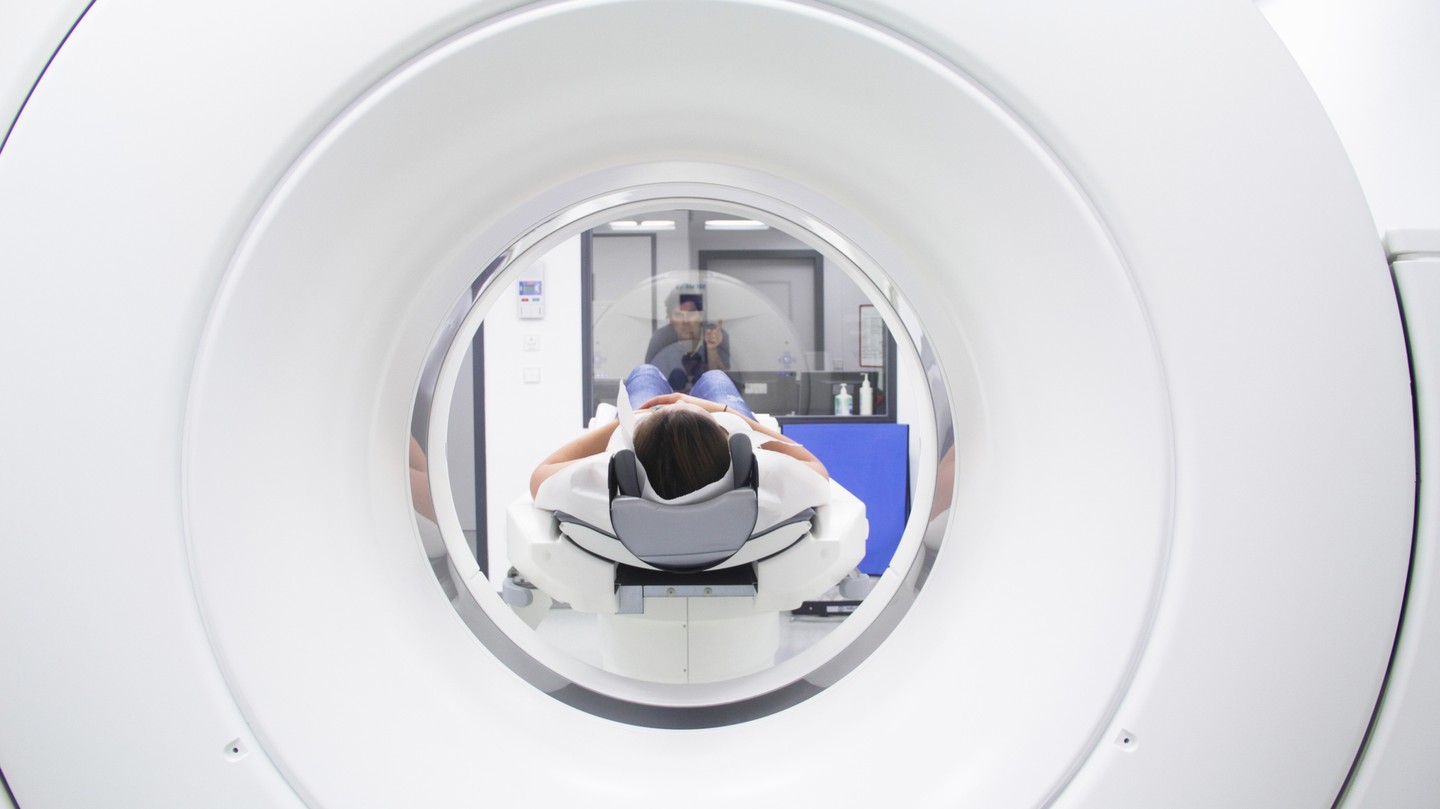
10 MRI Scans, 10 Different Diagnoses on same patient

10 MRI Scans, 10 Different Diagnoses on same patient

Spine J. 2016 Nov 17. pii: S1529-9430(16)31093-2. doi: 10.1016/j.spinee.2016.11.009. [Epub ahead of print]
https://www.ncbi.nlm.nih.gov/pubmed/27867079
Variability in diagnostic error rates of 10 MRI centers performing lumbar spine MRI examinations on the same patient within a 3-week period.Herzog R1, Elgort DR2, Flanders AE3, Moley PJ4.


BACKGROUND CONTEXT:

In today's health-care climate, magnetic resonance imaging (MRI) is often perceived as a commodity-a service where there are no meaningful differences in quality and thus an area in which patients can be advised to select a provider based on price and convenience alone. If this prevailing view is correct, then a patient should expect to receive the same radiological diagnosis regardless of which imaging center he or she visits, or which radiologist reviews the examination. Based on their extensive clinical experience, the authors believe that this assumption is not correct and that it can negatively impact patient care, outcomes, and costs.

PURPOSE:
This study is designed to test the authors' hypothesis that radiologists' reports from multiple imaging centers performing a lumbar MRI examination on the same patient over a short period of time will have (1) marked variability in interpretive findings and (2) a broad range of interpretive errors.

STUDY DESIGN:
This is a prospective observational study comparing the interpretive findings reported for one patient scanned at 10 different MRI centers over a period of 3 weeks to each other and to reference MRI examinations performed immediately preceding and following the 10 MRI examinations.

PATIENT SAMPLE:
The sample is a 63-year-old woman with a history of low back pain and right L5 radicular symptoms.
OUTCOME MEASURES:

Variability was quantified using percent agreement rates and Fleiss kappa statistic. Interpretive errors were quantified using true-positive counts, false-positive counts, false-negative counts, true-positive rate (sensitivity), and false-negative rate (miss rate).

METHODS:
Interpretive findings from 10 study MRI examinations were tabulated and compared for variability and errors. Two of the authors, both subspecialist spine radiologists from different institutions, independently reviewed the reference examinations and then came to a final diagnosis by consensus. Errors of interpretation in the study examinations were considered present if a finding present or not present in the study examination's report was not present in the reference examinations.

RESULTS:
Across all 10 study examinations, there were 49 distinct findings reported related to the presence of a distinct pathology at a specific motion segment. Zero interpretive findings were reported in all 10 study examinations and only one finding was reported in nine out of 10 study examinations.

Of the interpretive findings, 32.7% appeared only once across all 10 of the study examinations' reports.

A global Fleiss kappa statistic, computed across all reported findings, was 0.20±0.06, indicating poor overall agreement on interpretive findings. The average interpretive error count in the study examinations was 12.5±3.2 (both false-positives and false-negatives). The average false-negative count per examination was 10.9±2.9 out of 25 and the average false-positive count was 1.6±0.9, which correspond to an average true-positive rate (sensitivity) of 56.4%±11.7 and miss rate of 43.6%±11.7.


CONCLUSIONS:
This study found marked variability in the reported interpretive findings and a high prevalence of interpretive errors in radiologists' reports of an MRI examination of the lumbar spine performed on the same patient at 10 different MRI centers over a short time period. As a result, the authors conclude that where a patient obtains his or her MRI examination and which radiologist interprets the examination may have a direct impact on radiological diagnosis, subsequent choice of treatment, and clinical outcome.

Copyright © 2016 Elsevier Inc. All rights reserved.

More time walking means less time in hospital

New study shows more time walking means less time in hospital

https://theconversation.com/new-study-shows-more-time-walking-means-less-time-in-hospital-71554


In my practice as a GP, I have been impressed by a few energetic and active 80 year olds who remain in good health while many their age have succumbed to various chronic diseases. So in 2005, when the University of Newcastle established a
large community based health study of people aged 55 to 80, I made sure we recorded the participants’ physical activity in detail.

A decade later, we can report the influence of physical activity on the need for hospital care as published in the
Medical Journal of Australia today.

We used pedometers to record daily step counts, giving a much more precise measure of activity than the usual self-report questionnaires. Median daily step counts ranged from 8,600 in the youngest to 3,800 in those over 80 years, and weekend days had on average 620 fewer steps than weekdays.

The inactive people (taking 4,500 steps per day) averaged 0.97 days of hospital care per year. The more active people (taking 8,800 steps per day) needed only 0.68 days of care per year. In our analysis we adjusted for the effects of age, sex, the number of illnesses people had when they started, smoking, alcohol intake and education.

We wondered if the causation might be running the opposite direction. That is, that sick people walk less rather than activity preventing illness. To test this idea, we repeated the analysis ignoring all hospital admissions in the first two years of follow up to remove the immediate effects of serious illness. The difference is shown in the graph below.

The association extends right across the range of activity levels, showing any activity is good for health, and the more the better. The participants in our study wore the pedometers from morning until night, so a lot of what we recorded as steps was general activity around the house or the workplace, not necessarily continuous walking.
Recent research shows any that activity is better than sitting down, so even light activity is protective of health. Pedometers don’t capture swimming or cycling accurately, but these things make up a small part of daily activity.

Looking at why these patients were in hospital, more active people had fewer admissions for cancer and diabetes, but surprisingly, there was no difference for heart disease. We suspect that might be due to a gap in the data for heart admissions to private hospitals for a few of the years.
What if everyone got walking?

The difference of 0.29 hospital days per year between the inactive and active people is about a 30% reduction. Does this mean if we could get everyone in the population taking 8,800 steps per day we could shut a third of all hospital beds, and send a third of all doctors and nurses off to practice their golf swing? Unfortunately not.

It turns out our study sample is a rather healthy lot, requiring less hospital care than the average for their age. Compared to our average value of less than one day per year of hospital care, figures from the
Australian Institute of Health and Welfare for 2014-15 show Australians between 55 and 85 years required 14.2 million days of hospital care, or 2.65 bed days per person.
Getting in 40 minutes of walking a day would reap big rewards in overall health.

Whether increasing activity would be of more or less benefit across the whole of the Australian population is unclear. It may be that the general population would have even more to gain from physical activity than our study participants, or it may be that they have serious chronic diseases that make increased activity impossible.

Let’s imagine for a moment that something changes the walking habits of all Australians, so everyone is walking at least 8,800 steps per day – maybe a combination of a Fitbit craze and an oil shortage that sends petrol to A$10 a litre. What effect would this have on health services?

Considering only the people aged over 55, at a minimum it would reduce the need for hospitalisation by 975,000 bed days per year, for a saving of $1.7 billion dollars. Given there are health benefits at other ages, and the less healthy Australians not represented in our study could benefit more, the actual benefit is likely to be even greater.

An extra 4300 steps per day is not much.
It’s just 40 minutes walking, which might include going to the shops, picking up kids, or taking the stairs at work. It doesn’t have to be “exercise”, although higher intensity activity for those who enjoy it has greater health benefits.
With governments searching for ways to reduce spending, and
16% of the federal budget being spent on health, tackling physical inactivity of individual patients, as well as ensuring our urban centres are walking- and cycling-friendly would make a major difference.

Sunday, 18 September 2016

Ayurvedic treatment for Chikungunya – arthritis

Ayurvedic treatment for Chikungunya – arthritishttp://easyayurveda.com/2009/12/09/ayurvedic-treatment-for-chikungunya-arthritis/
This article is from the above blog. Its an excellent source for anything Ayurvedic. Its also a tremendous effort to explain the various benefits of our Ayurvedic system of medicine and lifestyle. It will be an excellent site for anyone to visit to know more about Ayurvedic systems, treatments and also for good health guidance.

Chikungunya outbreak has caused a lot of panic among people. It is a viral fever that spreads by the bite of infected Aedes mosquitoes. Most of the symptoms of chikungunya and dengue have resemblance. Though there is slight difference between chikungunya ; dengue. Severe, sometimes persistent, joint pain (arthritis), as well as fever and rash are the main characteristic features of Chikungunya. But in dengue, at later stages, the platelet count depletion sets in.


Chikungunya, in the acute phase, symptoms such as headache, fatigue, nausea, vomiting and muscle pain are also known to occur. Several varieties of viral infections are spread through droplets discharged into the atmosphere by the cough or sneezing of infected patients. It is seldom life-threatening.


However, the most painful aspect of chikungunya is the extended period of pain and swelling in the joints following the recovery from fever. This is due to the response of ones own immune system to parts of the virus which resemble the joint. This phenomenon is called as auto immune response. While the symptoms are less severe in younger patients, the older people and those with pre-existing arthritic tendency suffer badly.

Chikungunya and other similar viral infections have become very prevalent these days and are a grave cause for concern, affecting life of hundreds and thousands. The unbearable joint pain leaves many prostrated and unable to carry on with normal day t o day activities.

Arthritis associated with Chikungunya
Post chikungunya arthritis affecting multiple joints can leave a person debilitated for a very long period of time.


The Allopathic treatment options are largely symptomatic for mitigating pain and fever using anti-inflammatory drugs along with rest. While recovery from chikungunya is the expected outcome, convalescence can be prolonged (up to a year or more), and persistent joint pain may require analgesic (pain medication) and long-term anti-inflammatory therapy.

Ayurveda, hass a great deal to offer by way of relief from Chikungunya & other forms of post-viral arthritis. The principle of Ayurvedic treatment in such acquired infections is of immuno-modulation. The medications and therapies help to modulate the immune response of the body against viral antigens which inadvertently affect the joints. Hence, in addition to the symptomatic relief which is very quickly felt, the immuno-modulation helps to reverse the inflammatory process as well as prevent tissue damage. This results in a faster recovery and a shortened convalescent period.

Ayurvedic treatment for Chikungunya – Line of treatment:
1. Preventive medicines to improve immunity. – These medicines which can be taken to prevent the chikungunya treatment or at least reduce its severity.
2. Medicines to reduce fever and bring down muscle pain, headache, nausea, fatigue and rash – that is, small red spots all over the body.
3. Medicines to relieve muscle and joint pains.
4. Rejuvenation medicines that are administered once after the disease is relieved. This is to restore body strength and immunity. These medicines give energy to the patient to get on with day to day activities after recovery.

Warning: Before trying any of these medicines, consult your doctor directly. I do not guarantee that these will work. These can be taken along with your allopathic treatment.
Please consult your Ayurveda doctor before trying any of below medicine
All the medicines that I have mentioned below are easily available in any local Ayurveda store or at shimply.com, eayur.com etc online Ayurveda shopping websites.

A. Preventive medicines and remedies against Chikungunya:
These medicines do not offer any guarantee that you will not get chikungunya. But your body will be better prepared to fight this disease.
1. Nimbadi Kashayam tablet (AVN company)-
Dose for adults – 2 tablets 2 times a day after food.
Dose for children above 7 years of age – 1 tablet 2 times a day after food.

2. Trishun tablet (Zandu company) –
Dose for adults – 2 tablets 2 times a day after food.
Dose for children above 7 years of age – 1 tablet 2 times a day after food.

3. Panchanimbadi Vati tablet (AVN company)
Dose for adults – 2 tablets 2 times a day after food.
Dose for children above 7 years of age – 1 tablet 2 times a day after food.

Trishun with Nimbadi Kashayam tablet
OR
Trishun with Panchanimbadi vati tablet – is advised as a preventive medicine combination.
The above 2 can be continued for up to 1 month time.

B. Ayurvedic medicines to reduce Chikungunya fever:
The below medicines are targeted to reduce fever.
Amritarishta (liquid) – 15 ml, mixed with 15 ml of water, 2 times a day. This is not recommended in diabetic people.
Trishun tablet
Dose for adults – 2 tablets 2 times a day after food.
Dose for children above 7 years of age – 1 tablet 2 times a day after food.
Sanjivani Vati tablet
Dose for adults – 2 tablets 2 times a day after food.
Dose for children above 7 years of age – 1 tablet 2 times a day after food.
Amrutottaram kashayam tablet
Dose for adults – 2 tablets 2 times a day after food.
Dose for children above 7 years of age – 1 tablet 2 times a day after food.

Combinations –
Sanjivani with Trishun + Amritaristhta
Amrutottaram with Sanjivani and Trishun
They can be continued up to 4 – 6 weeks of time, based on your doctor’s advice.

C. Ayurvedic medicines and remedies to relieve pain and inflammation
R compound tablet – 2 tablets 2 – 3 times a day after food.
Shallaki capsule – 1 – 2 capsules – 1 -2 times a day after food (Excess of this may cause stomach irritation in some people)
Sallaki MR tablet – 1 – 2 tablets 1- 2 times a day after food.
Yogaraja Guggulu
Vatari Guggulu etc.

Any one or two among above can be continued for up to 2 – 4 months time, with gradual decrease in dosage, as per your Ayurvedic doctor’s advice.

D. Ayurvedic Medicines to restore energy after the fever is relieved:
Ashwagandharishta, Amrutarishta, Balarishta – any one among the above – 15 ml, mixed with 15 ml of water, 2 times a day after food. (Cannot be administered to diabetic people)
Swamala compound – 1 teaspoon 2 times a day (Cannot be administered to diabetic people)
Ashwagandha capsule, Shilajit capsule, Shatavari capsule etc.

Oils and liniments to apply externally over joints to reduce pain:
Please note that while you have fever, you cannot apply oils to the joints. But liniments can be applied to relieve pain. Liniments are oil + volatile prinicples. After application, they evaporate quickly. The below mentioned liniments are good to apply 4 – 5 times a day for 4 – 6 weeks time.
Some good liniments are –
Arnopen liniment
Arthorub liniment
Myostaal liniment
Rhukot liniment
Rumalaya liniment etc.

Oils for application
These oils can be applied after the fever is completely relieved. These oils improve joint strength and relieve pain.
Mahanarayana taila
Kottamchukkadi taila
Mahamasha taila
Balaswagandhadi taila
Vishagarbha taila

Rejuvenative Ayurvedic medicines for Chikungunya joint care:
Especially in old people, chikungunya may cause permanent joint pain and difficulty in walking. For them, below medicines help to strengthen joints. These can be started during the fever and can be continued for up to 3 – 4 months of time, with gradual decrease in dose.
1. Ksheerabala 101 drops – 10 drops, 2 times a day after food.
2. Ksheerabala capsule -1 capsule 2 – 3 times a day after food.
3. Gandha tailam drops – 10 drops 2 times a day after food.
4. Lakshadi guggulu tablet – 2 tablets 2 -3 times a day after food.
5. Gandha tailam capsule -1 capsule 2 times a day after food.

Beware of false promises:
As you may have noticed any tablet or capsule that I have enlisted above does not cost you more than 4 – 6 rupees per piece.
Some fake Ayurvedic doctors may push you to buy costly Swarna Bhasma, Heera Bhasma for thousands of rupees to relieve this. They may or may not work, but they are not necessary.


Home remedies for chikungunya:
  • A decoction or herbal tea prepared with neem powder + ginger – once or twice a day.
  • Herbal tea prepared with neem powder + Ashwagandha powder + ginger
  • Tulsi herbal tea
Consult your doctor before trying any home remedies or medicines.
http://easyayurveda.com/2009/12/09/ayurvedic-treatment-for-chikungunya-arthritis/